
AUPHY M350 Mechanical Metronome
4.4Editor score
Metal clockwork movement
40 to 208 BPM range
Accent bell for beats
This guide compares the top ten mechanical metronomes for piano and other instruments, evaluating build quality, precision, sound clarity, and ease of use for
Finding the right rhythm tool is essential for every pianist looking to improve their timing and musical precision. A mechanical metronome offers a classic, reliable way to keep beat without relying on batteries or digital screens that can distract from practice.
We evaluated ten top-rated mechanical metronomes based on build quality, tempo range, sound clarity, and ease of use. Our comparison focuses on models suitable for piano students, professionals, and teachers who value traditional design and consistent performance.
Each pick below highlights specific strengths like durable movement, clear bell tones, or elegant wood finishes. Remember that availability and stock levels change often, so check the links for current offers before making your final selection today.
4.4Editor score

4.4Editor score

4.5Editor score
This side-by-side comparison highlights the key specifications and design features of ten popular mechanical metronomes suitable for piano and other instruments.
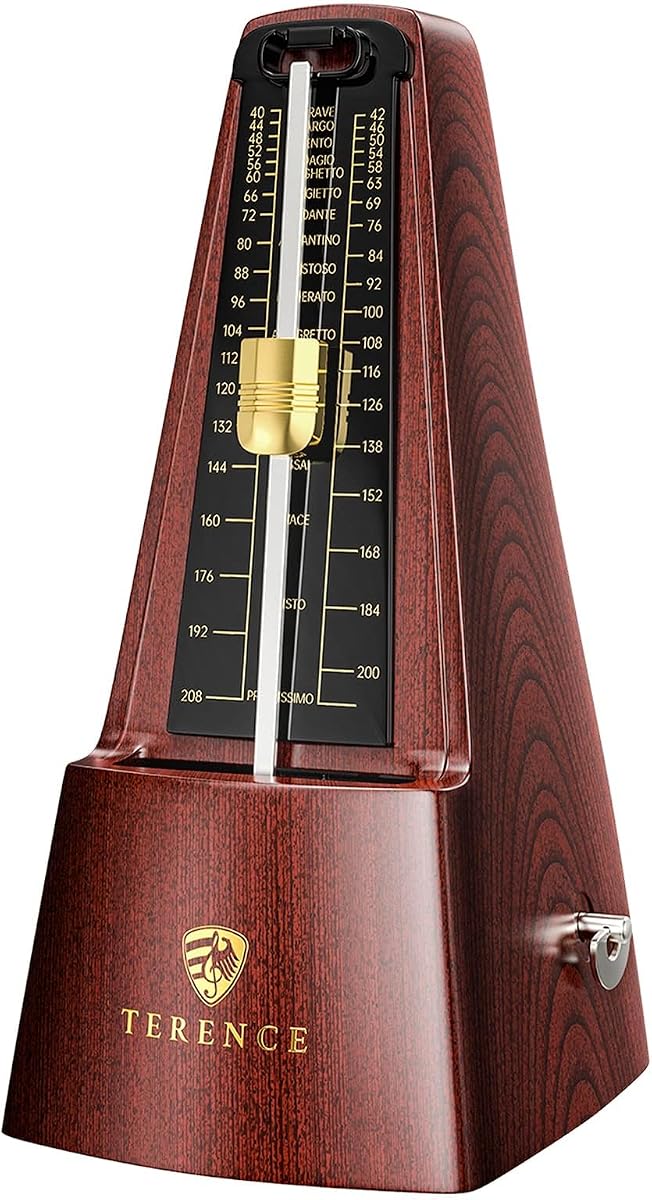


This mechanical metronome helps users develop rhythm and maintain tempo during piano practice. It holds a strong rating of 4.4 stars and is designed to increase musical awareness through consistent beat tracking.
We may earn a commission when you buy through this link, at no additional cost to you.
The wind up mechanism produces metrical beats without requiring any batteries, ensuring it works anywhere. The audible click and bell ring help musicians maintain rhythm while reading music sheets, making it a practical choice for daily drills.
While the plastic construction is durable, it may feel lighter than premium wood models. The wind duration depends on the tempo selected, lasting around eighteen minutes on average which is sufficient for most practice sessions.
Beginners and children will find it easy to use with simple steps to adjust beat and tempo. It is an excellent tool for pianists wanting a reliable traditional device that stands up to regular use in a home or studio setting.
Users can take out the brake, pull off the cover, adjust the beat and tempo, and then you are ready to use for practice.
It is applicable for most music instruments including piano violin guitar bass drum and other musical instruments requiring precise timing.
We may earn a commission when you buy through this link, at no additional cost to you.
This model features an all metal movement which ensures long time use without error, a critical factor for beginners learning rhythm. It holds a 4.4 rating and is designed to help users master rhythm skills effectively.
We may earn a commission when you buy through this link, at no additional cost to you.
The high-quality movement provides high precision and stable performance across the 40 to 208 bpm beat range. Users can select beats from zero to six to meet the requirements of all musical instruments including piano and violin.
Although the metal movement is robust, users should ensure they remove the stopper at the bottom and wind it up correctly to avoid issues. The wood grain design adds an elegant touch to the practice space while maintaining functional reliability.
It helps to master rhythm skills and improve your beat and sense of rhythm for any musician. This makes it a solid budget option for those wanting metal durability without the high cost of premium branded metronomes.
All pieces of movement are made of metal which can ensure long time use without error and is very important for a beginner.
It provides 40 to 208 bpm beat range and 0 2 3 4 6 beat selection to meet the requirements of all musical instruments.
We may earn a commission when you buy through this link, at no additional cost to you.
The Tempi mechanical metronome is beautifully designed to achieve a classic yet elegant style that most music lovers will love to play. It holds a 4.5 rating and helps establish accurate musical timing with a visual sense from the pendulum.
We may earn a commission when you buy through this link, at no additional cost to you.
Features include steel gears for durability and an average 20-minute wind for a longer practice. It offers 40 to 208bpm for choosing any tempi and easily adjustable optional 0/2/3/4/6 beat bell for precise rhythm tracking.
While it comes with a free microfiber cleaning cloth to help propel your success, the price is higher than basic plastic models. The brown grain veneer exterior is beautiful but requires gentle handling to maintain its home decor appeal.
Prepare yourself for complements from the watching crowd after practicing with this metronome for piano. It is ideal for all music lovers who value style and substance in their rhythm training tools.
Metronome wood looks perfect for home decor and the outside is a beautiful brown grain veneer for a classy look.
It comes with FREE MICROFIBER CLEANING CLOTH to help propel your success and a 2 YEAR WARRANTY for peace of mind.
We may earn a commission when you buy through this link, at no additional cost to you.
The M350 AUPHY features a lowered centre of gravity to maintain full stability while working, which is crucial for piano practice. It has a rating of 4.4 and is suitable for both beginners and instrumentalists wishing to improve their playing.
We may earn a commission when you buy through this link, at no additional cost to you.
The movement is made of metal clockwork and POM gears which will not rust or corrode keeping the beat accurate for a long time. The metronome error is controlled within 1% which fully meets the needs of practice for serious students.
Users should pull out the bottom brake and place the metronome horizontally before use to ensure accurate operation. The transparent dust cover protects the internal gears but adds a step to the setup process before each practice session.
This metronome will work perfectly with you whether you're practising guitar or piano drums saxophone or piano. The factory inspection and sealed packaging ensure you receive a high-quality unit ready for immediate use.
The metronome has a lowered centre of gravity to maintain full stability while working on any surface.
The gears are tightly fitted and will not rust or corrode keeping the beat accurate for a long time.
We may earn a commission when you buy through this link, at no additional cost to you.
The metal movement of the pendulum helps beginners to subconsciously establish the concept of the beat in a more visual and intuitive way. It holds a 4.2 rating and features a loud sound and high precision beat for effective rhythm training.
We may earn a commission when you buy through this link, at no additional cost to you.
Classic walnut color adds an elegant touch to your room while meeting your daily practice needs for various instruments. The metronome error is controlled within 1% which fully meets the needs of practice for students and teachers alike.
Users should follow the simple operation steps starting with pulling out the bottom brake and placing the metronome horizontally. The transparent cover is removed to set the wind and tempo which takes only a few seconds to prepare.
Whether you're practising guitar piano violin drum bass saxophone or other musical instruments this metronome will work perfectly with you. It is designed to help users develop rhythm maintain tempo and increase musical awareness effectively.
The metal movement of the pendulum helps beginners to subconsciously establish the concept of the beat visually.
Classic walnut color adds an elegant touch to your room while meeting your daily practice needs.
We may earn a commission when you buy through this link, at no additional cost to you.
This model offers multiple colors to choose from to meet your individual color needs including a standard black option. It holds a strong 4.6 rating and features a movement made of high-hardness plastic and metal for precise rhythm.
We may earn a commission when you buy through this link, at no additional cost to you.
Beginners and children can also easily use and greatly improve their sense of rhythm with this device. The adjustable 40-208bpm with 0 2 3 4 6 heavy bell sound bells fully meet the needs of piano violin guitar drums and other instruments.
It includes a 30-day unconditional returns and 1-year manufacturer product warranty to ensure customer satisfaction. This makes it a low-risk choice for parents buying a first metronome for their child music lessons.
The movement is stable performance and more durable making it a reliable tool for daily use. If there is any quality problem with the product you received you can contact support for a new replacement service.
Includes 30-day unconditional returns and 1-year manufacturer product warranty for peace of mind.
Multiple colors to choose from to meet your individual color needs in your home studio.
We may earn a commission when you buy through this link, at no additional cost to you.
This metronome covers a full tempo range of 40-208 BPM with a loud and crisp tick that cuts through your practice. It holds a 4.3 rating and offers selectable bell ring for 2 3 4 or 6 beats for flexible rhythm work.
We may earn a commission when you buy through this link, at no additional cost to you.
A full wind lasts about 54 minutes at 40 BPM and 10 minutes at 208 BPM providing extended practice time without rewinding. The clear audible click makes it a versatile companion for violin guitar piano and drums saxaphone banjo and other instruments.
Users should wind the key gently clockwise and stop immediately when they feel resistance to avoid damaging the mainspring. This requires attention to detail but ensures the longevity of the mechanical parts inside the wood grain casing.
It is a mechanical device that requires no batteries and runs steadily for an extended period once wound. Keep your focus on the notes not on counting while using this reliable rhythm anchor for your piano practice.
A full wind lasts about 54 minutes at 40 BPM and 10 minutes at 208 BPM for long sessions.
Please wind the key gently clockwise and stop immediately when you feel resistance to avoid damage.
We may earn a commission when you buy through this link, at no additional cost to you.
The upgraded mechanical movement uses all-metal mechanical movement equipped with metal accent bell which makes the sound clear and loud. It holds a 4.0 rating and is designed to be more sturdy and allow use for a longer time.
We may earn a commission when you buy through this link, at no additional cost to you.
The mechanical metronome is made of transparent material which makes the metronome more beautiful for display purposes. All copper metal pendulum can swing up and down to adjust the beat speed and the copper process is not easy to rust.
Users can create every detail with heart using the upgraded relief technology which provides a clear scale and adjustable speed range of 40-208. The metal knob offers strong hardness and comfortable wear-resistant and sturdy use for daily practice.
It is suitable for all kinds of musical instruments including piano violin guitar saxophone and other musical instruments and dance training. The transparent design allows you to see the internal mechanics swinging which adds an educational element to the tool.
Mechanical metronome is made of transparent material which makes the metronome more beautiful than standard cases.
All-copper metal pendulum can swing up and down to adjust the beat speed and is not easy to rust.
We may earn a commission when you buy through this link, at no additional cost to you.
The Wittner 836 Taktell Piccolo is a classic mechanical metronome known for its precise ticking and durable construction. It holds a 4.6 rating and features a plastic casing with a black color finish that blends well with most pianos.
We may earn a commission when you buy through this link, at no additional cost to you.
This model does not include a bell which simplifies the sound to pure rhythmic clicks for focused beat practice. The compact size makes it easy to transport to lessons or rehearsals where space is limited or portable tools are needed.
Users seeking a traditional mechanical sound without extra bells or bells will appreciate this straightforward design. It is ideal for musicians who want a reliable tool that provides just the tempo without visual or auditory distractions.
The Piccolo model is perfect for advanced players who do not need extra features like bells. It provides a clean rhythm reference for daily practice sessions in a sleek minimalist package.
The compact size makes it easy to transport to lessons or rehearsals where space is limited.
Without bell tone it provides pure rhythmic clicks for focused beat practice without distraction.
We may earn a commission when you buy through this link, at no additional cost to you.
This metronome delivers precise beats with a loud clear sound to help you efficiently master rhythm during piano practice. It has a rating of 3.8 and is designed for most musical instruments to meet daily training requirements effectively.
We may earn a commission when you buy through this link, at no additional cost to you.
Users can select the desired tempo from five settings with a range of 40 to 208 beats per minute for flexibility. Crafted from premium materials with engraved markings it ensures long-lasting durability for years of reliable use in any studio.
Operation is simple requiring you to remove the dust cover and pull out the bottom slot to begin operation. Slide the slider to adjust the speed and wind the mainspring clockwise to start the beat tracking process immediately.
Whether you opt for this device or other mechanical metronomes a quality metronome is key to musical progress for beginners. It allows you to choose the most suitable tempo during training whether using it as a metronome for piano or any other instrument.
Delivers precise beats with a loud clear sound to help you efficiently master rhythm during practice.
Remove the dust cover before using the metronome then pull out the bottom slot to begin operation.
We may earn a commission when you buy through this link, at no additional cost to you.
Choosing the right mechanical metronome depends on several key factors that influence usability and accuracy during practice.
Look for a metronome that covers the full range of 40 to 208 beats per minute to accommodate slow and fast pieces. This ensures that you can use the same device as your playing skills improve over time without needing an upgrade.
Always check that the device supports the full standard tempo range for professional practice requirements.
Decide if you need a simple tick or a bell accent for certain beats which helps you feel the measure structure better. A louder sound is useful in noisy rooms but should not be so loud that it distracts from the musical performance.
Ensure the sound output is clear and audible enough to be heard over the piano keys during practice.
Metal movements tend to be more durable and precise than plastic ones which are lighter but may wear out faster. Wood finishes add elegance to a music room but require gentle care to avoid scratches or damage from humidity.
Consider a model with high-strength materials that resist rust and corrosion for long-term reliability.
Check how long the metronome runs after one full wind as this affects how often you need to stop and rewind. Models that offer longer wind times allow for uninterrupted practice sessions without breaking your rhythm flow.
Look for devices that provide at least fifteen to twenty minutes of continuous operation per wind cycle.
A lowered center of gravity helps keep the metronome steady on the piano so it does not slide while the keys are played. The design should also be compact enough to fit on the music stand without blocking your view of the sheet music.
Choose a model that sits flat and stable on any surface to maintain accurate timing.
Beginners should look for clear markings and intuitive controls that allow fast adjustment of tempo and beats. Simple steps to start the device mean you spend less time setting up and more time playing music.
Ensure the operation steps are straightforward and do not require complex procedures for daily use.
A warranty indicates the manufacturer stands behind their product quality and will support you if there are defects. Check for customer service availability in case you need instructions or replacement parts for the mechanical parts.
Prioritize brands that offer at least a one-year warranty for peace of mind regarding longevity.
The metronome often sits on the piano so a design that matches your decor can make the practice space more inviting. Styles range from classic wood grain to modern transparent cases depending on your personal aesthetic preferences.
Select a finish that complements your instrument and enhances your overall home music setup.
To begin using your mechanical metronome place it on a flat surface near your piano so it can vibrate freely. Remove the dust cover if present and ensure the bottom stopper is taken out to allow the movement to function correctly.
Wind the mainspring slowly using the key until you feel resistance then release the pendulum to start the beat. Adjust the slider to your desired tempo setting and select the beat pattern you need such as 3 for a waltz or 4 for common time.
To maintain the device keep it out of direct sunlight and moisture which can damage the internal gears. Store it in a dry place when not in use and wipe the exterior with a soft cloth to keep the markings clear.
No mechanical metronomes do not need batteries because they rely on a spring driven mechanical movement to keep time. You wind the spring manually to power the device for a set amount of time depending on the tempo chosen.
To stop the metronome you can either insert the stopper or brake into the bottom slot or gently touch the pendulum to halt its swing. This ensures the spring tension is not lost unnecessarily before your next practice session.
Most piano pieces require a tempo range from 40 to 208 beats per minute so look for a device that covers these extremes. This ensures you can use the metronome for very slow warmups as well as fast technical exercises.
The bell tone is helpful for learning time signatures because it emphasizes the first beat of each measure. However if you prefer a pure sound without accents you can usually turn off the bell or select a zero beat setting.
An irregular sound often means the metronome is placed on a surface that is not level or stable. Adjust the surface or check that the pendulum weight is set correctly to ensure the beat remains consistent and steady.
Yes children can use mechanical metronomes easily because they are intuitive and do not require digital menus. Just ensure they wind the spring gently and follow the simple steps to adjust tempo to avoid breaking the mechanism.
This guide highlighted ten excellent mechanical metronomes ranging from budget-friendly options to premium wood-finish models. The Ueteto Black and Tempi models stand out for their reliability and style making them top choices for serious pianists.
Prioritize a model with a stable base and clear markings to ensure your practice remains uninterrupted and focused. Consider how loud you need the sound to be based on your home environment to maintain concentration during drills.
Prices and availability change so visit the provided links to check the current offers before purchasing your next rhythm tool.