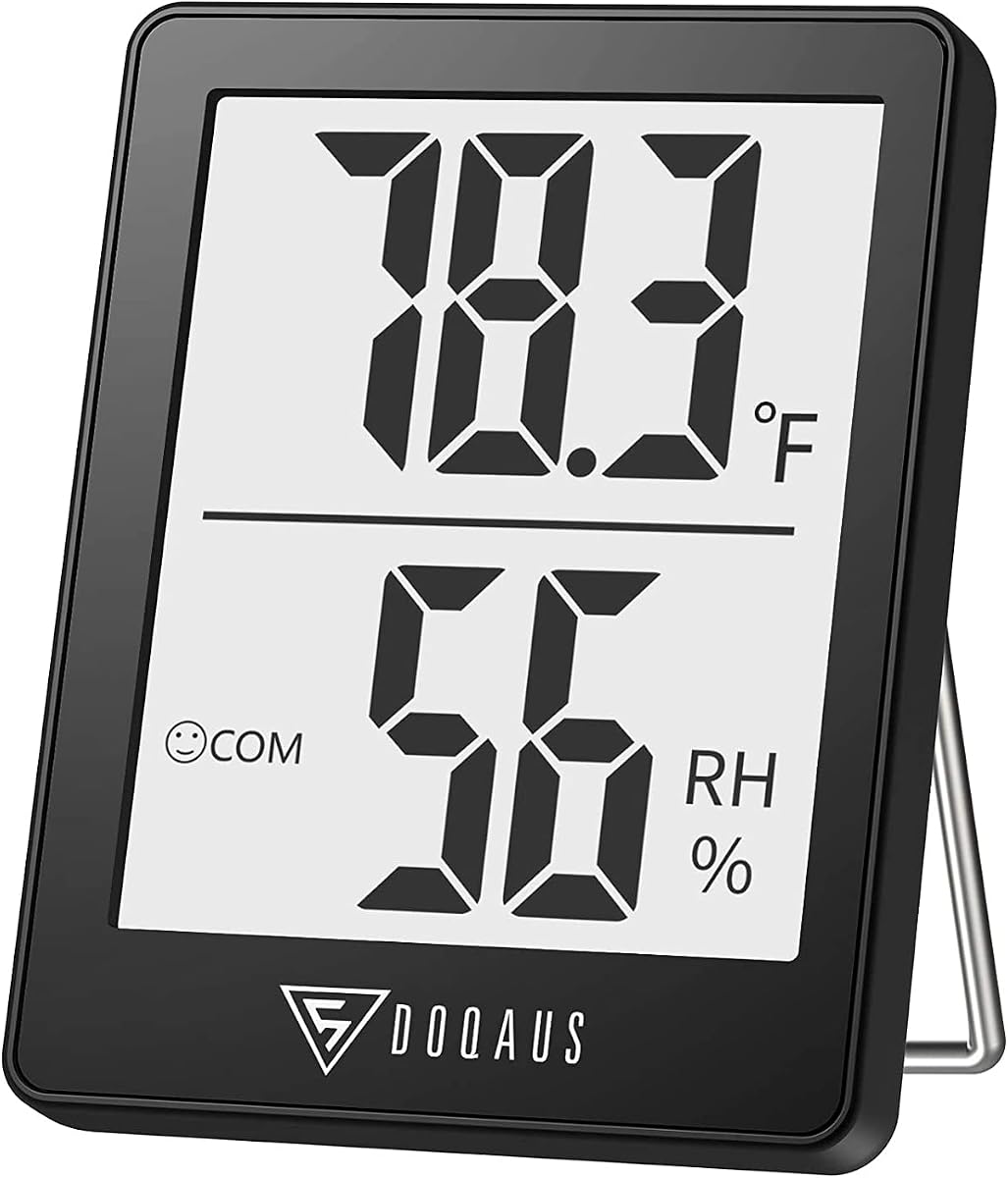
DOQAUS Digital Hygrometer Indoor Thermometer
4.4Editor score
Affordable pricing
Quick updates
Multiple mounts
This guide compares the top 10 Greenhouse Thermometer models for accuracy, features, and durability to help you choose the best monitoring tool for your plants.
Maintaining the right environment is crucial for plant health and growth rates. A reliable Greenhouse Thermometer helps you track temperature fluctuations that can stress delicate crops or hinder development stages effectively.
We evaluated ten top-rated models based on accuracy, display clarity, and connectivity features. Our analysis covers digital, analog, and Bluetooth-enabled options suitable for various greenhouse sizes and budgets today.
Each pick highlights specific strengths like max-min tracking or app integration. Note that prices and availability change frequently, so verify current details before making your final purchasing decision for your garden.
4.4Editor score

4.6Editor score

4.3Editor score
This side-by-side comparison highlights key specifications and unique features across all ten selected models to help you identify the ideal choice for your specific monitoring needs.




This digital hygrometer stands out as a reliable choice for monitoring greenhouse conditions. It holds a high rating for its consistent performance and easy-to-read interface that gardeners appreciate during daily checks.
We may earn a commission when you buy through this link, at no additional cost to you.
Its high accuracy sensors ensure you get precise temperature and humidity readings essential for sensitive plants. The fast refresh rate means you see changes quickly without waiting long periods between updates.
While it lacks wireless connectivity, the local display is sufficient for most users. The compact size allows it to fit in tight spaces where larger devices might not work well.
Buyers looking for a straightforward tool to track environmental stats will find this model excellent. It balances performance and simplicity effectively for daily greenhouse maintenance routines.
The accuracy ensures you never miss critical temperature shifts that could harm your crops during vulnerable growth phases.
Large digits and clear icons make reading data effortless even in low-light greenhouse environments.
We may earn a commission when you buy through this link, at no additional cost to you.
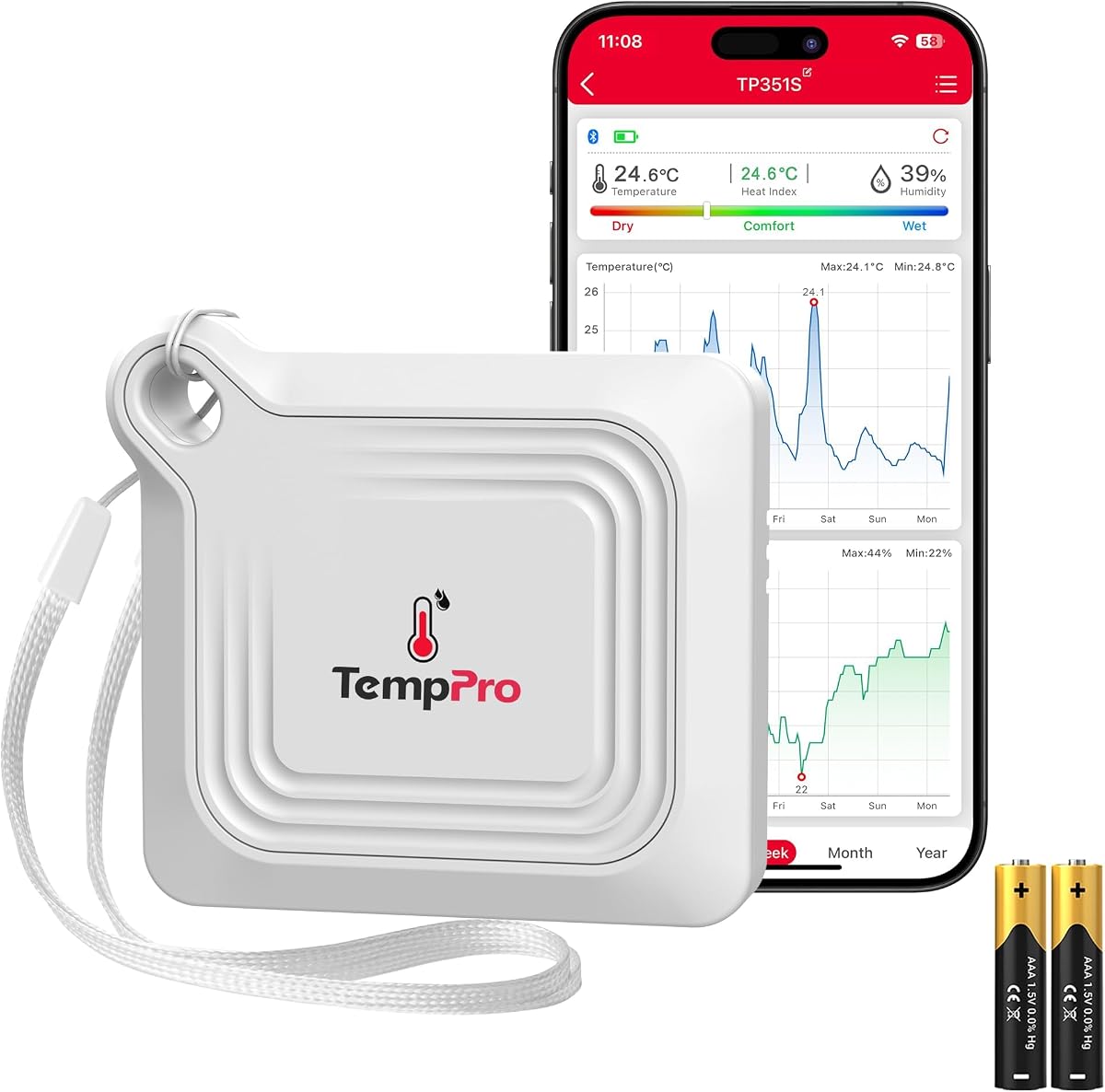
This model offers advanced connectivity features that allow remote monitoring from a distance. Its Bluetooth capability lets you check conditions without physically entering the greenhouse which saves time and effort.
We may earn a commission when you buy through this link, at no additional cost to you.
The ability to store data for two years provides deep insights into environmental trends over time. This historical data helps you make informed decisions about heating or cooling needs for your plants.
You will need to use the app to access these features which might not suit everyone. However the privacy focused design means no registration is required to use the core functionality.
Tech-savvy gardeners who want detailed insights will appreciate this device. It combines modern connectivity with reliable sensing to support serious growing operations.
View real-time data from your phone without stepping outside especially useful in extreme weather conditions.
Export history to identify patterns and adjust your climate control strategies for better crop yields.
We may earn a commission when you buy through this link, at no additional cost to you.
This affordable option delivers essential features without breaking the bank. It is a great entry point for beginners who need basic monitoring capabilities for their greenhouse setup.
We may earn a commission when you buy through this link, at no additional cost to you.
With a fast refresh rate you can track changes as they happen. The display is clear and easy to read from various angles around your grow space.
The humidity tolerance is slightly higher than premium models but still useful for general purposes. Mounting options make it flexible to place where it is needed most.
Cost-conscious buyers will find this unit meets their needs effectively. It provides reliable data for maintaining a healthy growing environment at a low price point.
Get solid performance and essential features at a price that fits any garden budget easily.
Choose from hanging tabletop or magnetic mounts to position the sensor exactly where you need it.
We may earn a commission when you buy through this link, at no additional cost to you.
This model is specifically designed to handle high humidity environments with ease. Its waterproof rating ensures durability even when exposed to moisture typical in greenhouse settings.
We may earn a commission when you buy through this link, at no additional cost to you.
Tracking max and min temperatures over twenty-four hours helps you understand daily fluctuations. This feature is vital for preventing temperature stress on sensitive plants during hot or cold periods.
The large LCD display ensures readings are visible from a distance. You can easily check conditions without leaning in close to the device.
Gardeners dealing with damp conditions will benefit most from this unit. It offers robust protection against moisture while providing clear data for plant care.
The IPX5 rating protects internal components from water spray common in humid greenhouse environments.
View highest and lowest readings to ensure plants stay within safe temperature ranges throughout the day.
We may earn a commission when you buy through this link, at no additional cost to you.
This device focuses on tracking temperature extremes which is key for greenhouse management. It shows current high and low temperatures clearly so you know what your plants experienced.
We may earn a commission when you buy through this link, at no additional cost to you.
Installation is simple with wall mounting options that save space on shelves. You can place it where it is most effective for monitoring the overall space temperature.
It does not measure humidity so you will need a separate device for that data. For temperature monitoring it is reliable and straightforward for gardeners who prefer simplicity.
Buyers wanting a dedicated temperature tracker will find this suitable. It provides essential data without extra features that might complicate the user experience.
See exactly how hot or cold it got yesterday to adjust ventilation or heating systems accordingly.
Wall mount design keeps work surfaces clear for tools and gardening supplies in tight spaces.
We may earn a commission when you buy through this link, at no additional cost to you.
This analog model works without batteries or electricity which is great for remote areas. It uses a mechanical system to display temperature and humidity clearly on a large dial.
We may earn a commission when you buy through this link, at no additional cost to you.
The stainless steel construction ensures it lasts long even in tough conditions. It is robust and easy to clean making it a practical choice for busy greenhouses.
Analog thermometers take time to adjust to changes so instant data is not available. If you need quick updates a digital option might be better for your needs.
Those who prefer traditional tools will appreciate this device. It offers reliable performance without the need for power sources or complex electronics.
No batteries means no replacement costs and worry-free operation even in remote outdoor locations.
Stainless steel resists corrosion and damage from regular handling in active greenhouse environments.
We may earn a commission when you buy through this link, at no additional cost to you.
This thermometer offers a seamless Bluetooth connection that simplifies setup for users. It connects quickly to your device so you can start monitoring right away without complex steps.
We may earn a commission when you buy through this link, at no additional cost to you.
Data export features allow you to save records for future review. This helps in analyzing trends over seasons to improve your greenhouse climate control strategies.
The compact design makes it easy to hang in tight spots. You can place it near specific plants to get localized readings without taking up much room.
Tech users who want data history will find this model useful. It balances connectivity with portability to support detailed environmental tracking.
Auto connection ensures you spend less time pairing and more time caring for your plants.
Compact size and hanging loop allow placement anywhere without obstructing plant growth.
We may earn a commission when you buy through this link, at no additional cost to you.
This pack provides three units allowing you to monitor different zones in your greenhouse. It is cost-effective to buy multiple at once rather than individually over time.
We may earn a commission when you buy through this link, at no additional cost to you.
Each unit shares the high accuracy features of the single models. You can ensure consistent data across all areas of your growing space for uniform plant health.
Since there is no connectivity you must check each one physically. But for basic temperature and humidity checks this is a practical solution for large areas.
Growers with multiple zones will benefit from having extra sensors available. It simplifies monitoring large spaces with a reliable set of basic tools.
Place sensors in different areas to track variations and ensure all plants get ideal conditions.
Get three reliable devices for a single price which saves money compared to buying separately.
We may earn a commission when you buy through this link, at no additional cost to you.
This model combines modern digital display with a traditional design. It shows max and min temperatures clearly to help you track daily extremes effectively.
We may earn a commission when you buy through this link, at no additional cost to you.
The flip out roof adds protection from rain or direct sun which extends the device life. It can be used indoors or outdoors making it versatile for various garden spots.
It lacks humidity measurement so you need another tool for that. For temperature tracking it is straightforward and reliable for standard gardening tasks.
Gardeners who prefer a classic aesthetic will like this unit. It offers essential data in a robust package suitable for external placement.
Built-in roof shields the device from elements when placed outside your greenhouse structure.
Focus on essential max and min data to keep your plants in a safe range.
We may earn a commission when you buy through this link, at no additional cost to you.
This model is designed to be small yet powerful for monitoring. Its compact form allows it to fit in tight spaces without taking up valuable room.
We may earn a commission when you buy through this link, at no additional cost to you.
The Swiss-made sensor ensures high accuracy for both temperature and humidity. You get reliable data every few seconds which is fast for responsive monitoring.
While storage is limited to twenty days locally you can export data for longer records. It is a great option for spot checks in specific areas like shelves.
Space-constrained gardeners will find this unit ideal for precise tracking. It delivers smart features in a portable package that fits anywhere.
Tiny footprint allows placement in tight corners where larger devices cannot fit.
Swiss sensor provides accurate readings to ensure your plants stay in the optimal zone.
We may earn a commission when you buy through this link, at no additional cost to you.
Selecting the right thermometer requires considering your specific needs for accuracy and connectivity. This section breaks down key factors to help you make an informed decision.
Accuracy is paramount when monitoring plant environments. Look for units with a tolerance of plus or minus one degree Fahrenheit to ensure you are working with reliable data. Inconsistent readings can lead to plant stress or crop failure.
Prioritize models that specify tight tolerance ranges for both temperature and humidity.
A clear display allows you to check conditions quickly without squinting. Large bold digits and high contrast screens are essential for indoor reading in varying light conditions. Some models offer backlit screens for low-light convenience.
Choose a display that is easy to read from your usual vantage point.
Decide if you need remote access to your data. Bluetooth models allow you to check readings via an app without entering the greenhouse. This feature is valuable for larger setups or when weather prevents physical access.
Wireless connectivity adds convenience but requires a smartphone to view data effectively.
Tracking highest and lowest temperatures helps you understand environmental extremes. This data is critical for preventing frost damage or heat stress on sensitive plants. Ensure the device resets automatically or easily for daily use.
Max-min logs provide essential historical context for your daily climate management.
Greenhouses can be humid and dusty environments. Look for units with waterproof ratings or robust casing to prevent damage. Metal components or sealed electronics often last longer in these conditions.
Invest in a durable model that can withstand the specific conditions of your greenhouse.
Consider how the device gets power. Battery-operated units offer flexibility but need replacement. Some analog options work without batteries which reduces maintenance. Check battery life estimates before buying.
Choose a power source that fits your maintenance routine and location needs.
Flexible mounting allows you to place sensors where they matter most. Look for tabletop stands magnetic backs or hanging hooks. This ensures you can position the unit at the height of your plants.
Versatile mounting options help you capture accurate data from key growing zones.
Long-term storage lets you analyze trends over seasons. Some models allow exporting data to your phone for deeper analysis. This feature helps you refine your climate control strategy over time.
Data logging features provide valuable insights for improving your growing techniques.
Place the thermometer at plant level to get the most accurate reading of the environment your crops actually experience. Avoid placing it directly in sunlight or near heating vents to prevent skewed data.
Check the battery level regularly to ensure continuous monitoring. If the device uses batteries keep spares on hand to avoid gaps in your temperature logs during critical growth periods.
Clean the sensor area gently to remove dust or condensation that might affect accuracy. Most models are wipeable with a dry cloth but avoid harsh chemicals that could damage the display.
Humidity affects how plants absorb water and nutrients. High humidity can lead to fungal diseases while low humidity causes plants to lose water too quickly. Monitoring both temperature and humidity helps maintain a balanced environment for healthy growth.
Ideally check your thermometer twice a day in the morning and evening. This helps you catch temperature spikes or drops that could stress plants. Automated alerts on smart models can notify you of changes instantly.
Place it away from direct sunlight drafts or heat sources. The ideal spot is at plant height near the center of the greenhouse. This ensures you get a representative reading of the overall environment.
Digital models offer more features but rely on batteries which can run out. Analog units work without power but may be less precise. Digital units often have longer lifespans if batteries are maintained properly.
Home thermometers may not withstand the high humidity in a greenhouse. Look for devices rated for humid environments to prevent internal corrosion. Specialized greenhouse models are built to handle these specific conditions.
Most plants thrive in a humidity range between forty and sixty percent. However tropical plants may need higher levels while succulents prefer lower humidity. Adjust based on the specific needs of your crops.
Most digital models have a reset button or auto-reset feature. Check the manual for specific steps to clear the history. Regular resets ensure you track the current day extremes accurately.
Wireless models are worth it if you need remote access to data. They allow you to monitor conditions without visiting the site physically. If local checking is fine standard models save money effectively.
We reviewed ten models ranging from basic analog units to advanced Bluetooth-enabled devices. Each option offers distinct benefits depending on your budget and monitoring preferences.
Consider your primary needs like max-min tracking or remote alerts before choosing. A model with robust features supports long-term plant health and reduces manual check times significantly.
Remember to verify current pricing and availability as they change frequently. Selecting the right tool ensures your greenhouse environment remains optimal for your plants year round.