
Dissolved Oxygen Meter with ATC
4.3Editor score
0-40 mg/L range
Automatic temperature compensation
Complete calibration kit
This guide compares the top dissolved oxygen sensors for aquaculture and water quality. Find the best meter for your specific monitoring needs today.
Choosing the right dissolved oxygen sensor is crucial for maintaining healthy aquatic environments. Whether you manage a large farm or a home aquarium, accurate measurements ensure the safety and growth of your aquatic life.
We evaluated ten top-rated sensors based on accuracy, ease of use, and durability. Our analysis covers galvanic, optical, and polarographic types to help you find the perfect fit for your specific monitoring requirements.
Each pick highlights key features and ideal use cases to simplify your decision. Prices fluctuate often, so verify current deals before purchasing to ensure you get the best value for your investment.
4.3Editor score
4.4Editor score

4.8Editor score
The following table provides a side-by-side comparison of all ten selected sensors. Review the key specifications to quickly identify which model aligns best with your technical and operational requirements.



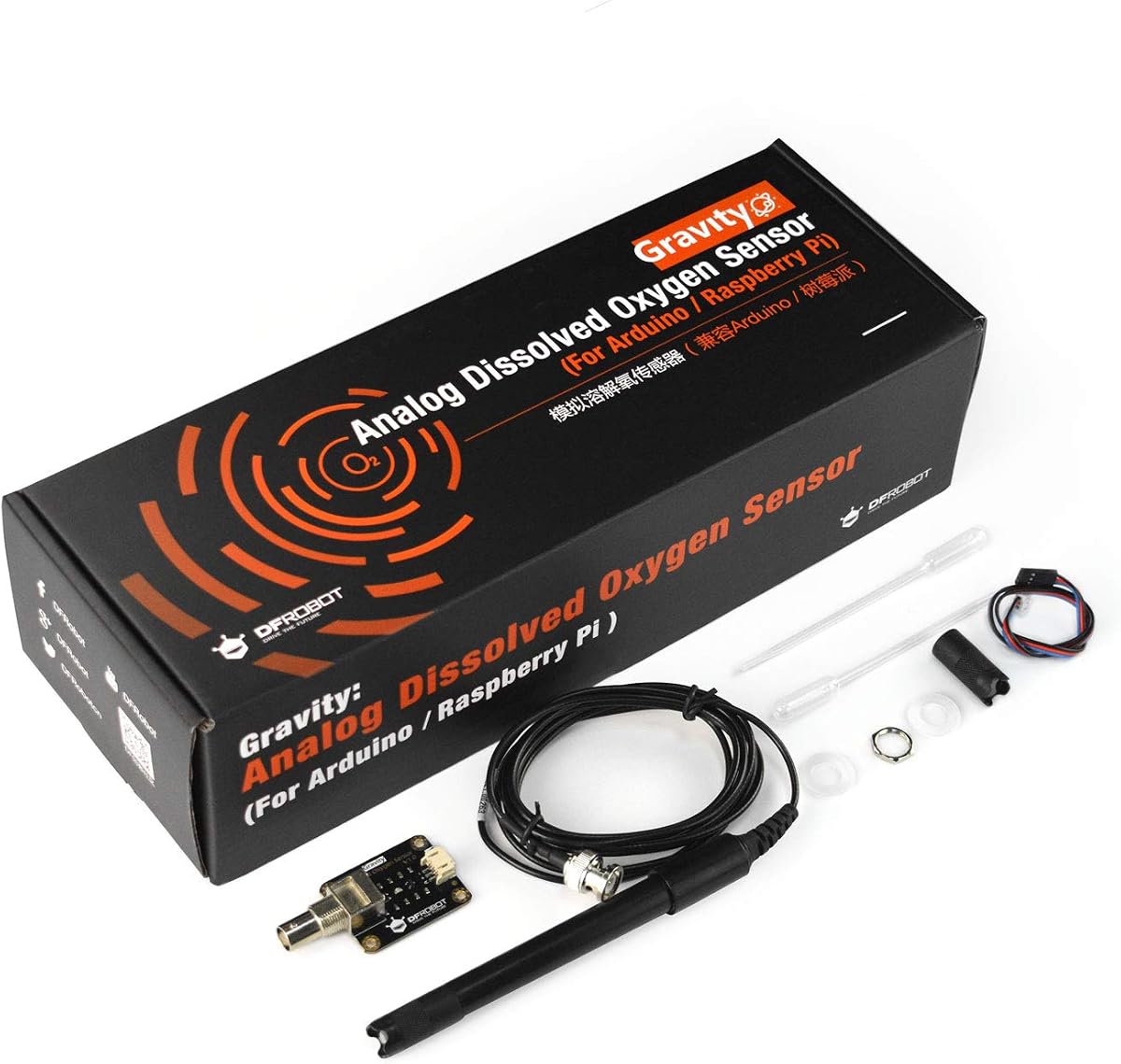
The Gravity Analog Dissolved Oxygen Sensor Kit stands out as a top choice for hobbyists and professionals alike. With a strong rating of 4.4 stars, it delivers reliable galvanic measurements without the need for complex polarization steps.
We may earn a commission when you buy through this link, at no additional cost to you.
Its galvanic probe allows for instant readings, making it perfect for intermittent power supplies common in IoT projects. The signal converter board includes hardware filtering to ensure smooth, low-jitter analog voltage without needing extra software processing.
While the kit is excellent, note that the filling solution is not included due to shipping restrictions. You will need to source sodium hydroxide locally to prepare the required solution before initial use.
This sensor is ideal for anyone building aquaculture monitors or lab research setups with Arduino or ESP32. Its open-source code and detailed tutorials make deployment quick and precise for temperature-compensated readings.
The galvanic probe requires no pre-heating, allowing for immediate use whenever you need a water quality check.
Compatible with standard 3.3V to 5.5V ranges, this kit fits seamlessly into existing microcontroller projects with minimal wiring.
We may earn a commission when you buy through this link, at no additional cost to you.
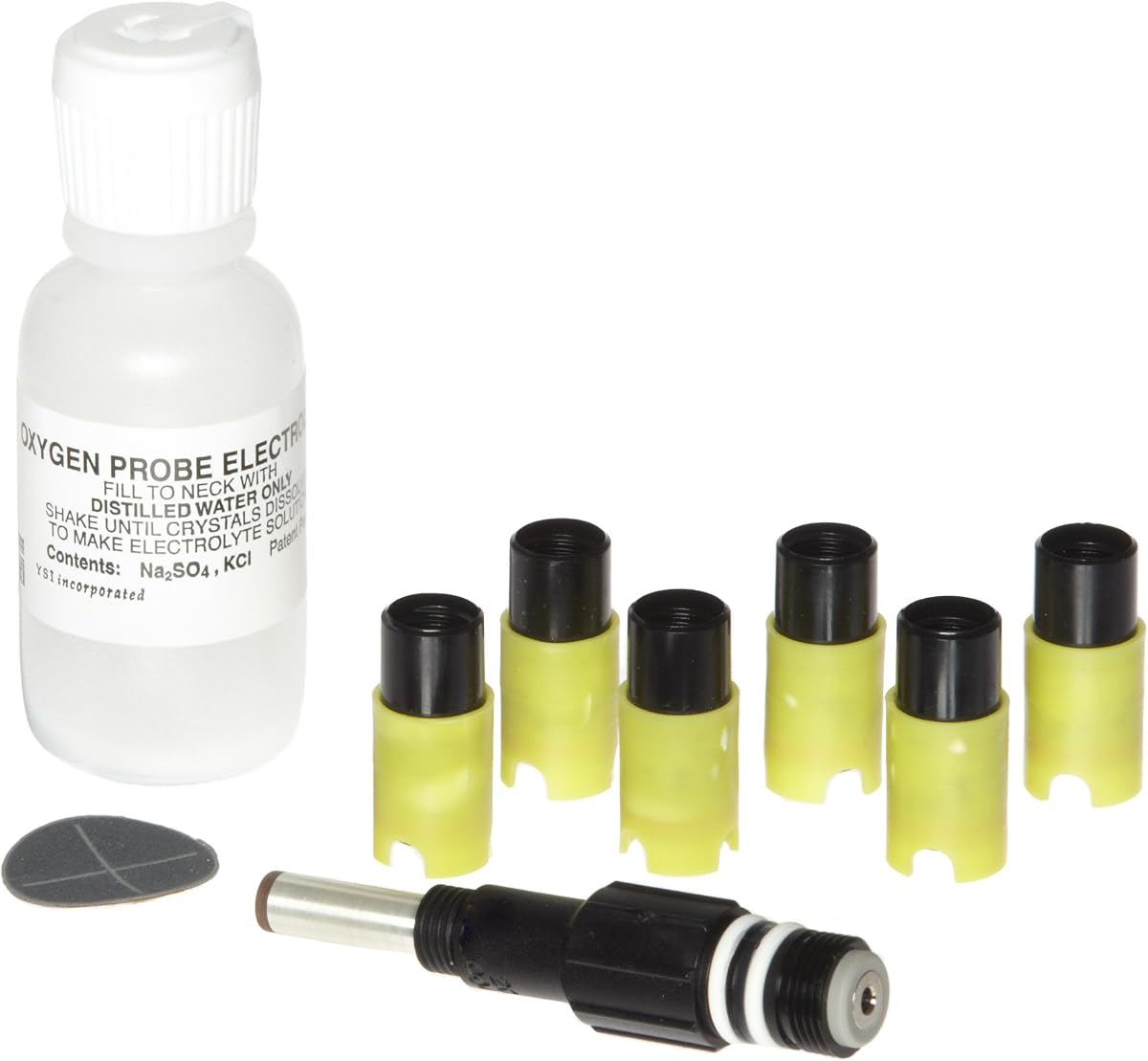
The YSI-605202 Pro Series sensor is praised for its ease of use and reliability. With a high rating of 4.8 stars, it offers a straightforward solution for measuring dissolved oxygen in various water bodies.
We may earn a commission when you buy through this link, at no additional cost to you.
Its design features a user-replaceable sensor that allows for quick swaps when the unit reaches the end of its life. The screw-on cap membranes make changing consumables simple and efficient for field work.
Although it requires regular membrane changes, the package includes six caps and a bottle of solution to get you started. This ensures you are prepared for maintenance without immediate additional purchases.
This sensor is best suited for users who value simplicity and quick maintenance. It fits well into existing YSI systems for those needing a robust and reliable galvanic option.
You can replace membranes quickly without needing any special tools, saving time during critical monitoring sessions.
Designed for the Pro Series line, this sensor offers the durability expected from professional-grade equipment.
We may earn a commission when you buy through this link, at no additional cost to you.
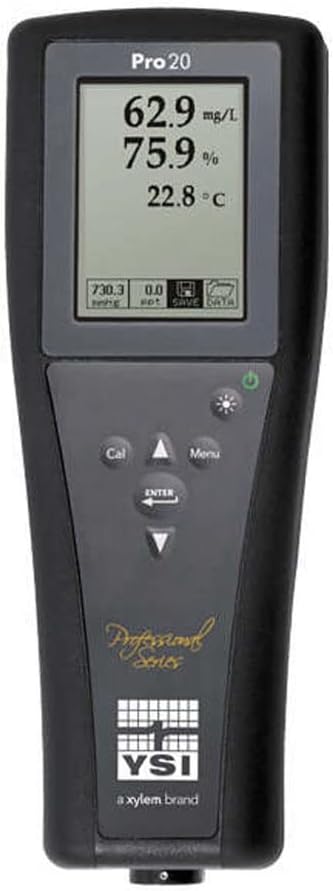
This handheld meter offers convenience with its One Touch Cal feature, allowing for easy calibration in just three seconds. It is highly rated at 4.4 stars for its usability in field conditions.
We may earn a commission when you buy through this link, at no additional cost to you.
The device stores up to 50 data sets, eliminating the need to write down results manually. This feature is particularly useful for researchers who need to track trends over time without data loss.
Its graphic, backlit display ensures readability in low-light environments, while the keypad glows in the dark for ease of use. Automatic barometric pressure compensation ensures accurate readings regardless of altitude changes.
Ideal for field technicians, this meter provides a self-contained solution for accurate dissolved oxygen tracking. Ensure you purchase the electrode separately if it is not included in your specific bundle.
The One Touch Cal button simplifies the calibration process, saving valuable time during routine monitoring tasks.
With internal storage for 50 data sets, you can focus on measurements without worrying about manual logging.
We may earn a commission when you buy through this link, at no additional cost to you.
The YSI 6900 ProDSS ODO Optical Dissolved Oxygen Sensor provides high-precision measurements for professional applications. It is designed to integrate seamlessly with the ProDSS system for comprehensive water quality analysis.
We may earn a commission when you buy through this link, at no additional cost to you.
Optical sensors offer advantages such as reduced maintenance and improved stability compared to traditional galvanic methods. This sensor is built to deliver consistent and reliable readings in various environmental conditions.
While it is a standalone sensor unit, it works best when paired with the compatible YSI system. This ensures that all parameters are measured accurately and displayed through a unified interface.
This option is best for professionals who need accurate data for regulatory compliance or research. Consider your system requirements before purchasing to ensure full compatibility.
Optical technology reduces the need for electrolyte refills and membrane changes, lowering long-term maintenance costs.
Designed for the ProDSS system, this sensor offers seamless integration for multi-parameter monitoring setups.
We may earn a commission when you buy through this link, at no additional cost to you.
This Dissolved Oxygen Meter is an excellent budget-friendly option for general monitoring needs. With a rating of 4.3 stars, it offers an extended range of 0.0-40.0 mg/L, making it versatile for many applications.
We may earn a commission when you buy through this link, at no additional cost to you.
The Automatic Temperature Compensation (ATC) ensures precise results within a temperature range of 0-50℃. The device comes with necessary accessories like calibration powder and filling fluid for immediate use.
While it lacks a backlight for use in dark conditions, the clear LCD screen provides readable measurements in most environments. Auto power-off after 8 minutes helps preserve battery life for longer projects.
This meter is suitable for aquariums, ponds, and basic industrial uses. Its complete package makes it a convenient choice for those seeking value without sacrificing essential functionality.
The 0-40mg/L range surpasses standard meters, allowing for accurate measurements in diverse water conditions.
Measure and calibrate without removing the protective cover, simplifying the process for frequent testing.
We may earn a commission when you buy through this link, at no additional cost to you.
This digital test kit is designed specifically for pond and hydroponic monitoring. It helps users ensure that oxygen levels remain within healthy ranges for aquatic life and plant roots.
We may earn a commission when you buy through this link, at no additional cost to you.
The meter provides two measurement units: mg/L and percentage of saturation. This flexibility makes it easier to interpret data for different needs, such as monitoring koi ponds or nutrient solutions.
While the rating is slightly lower than other options, it offers practical features like a backlit display and simple calibration. It is a good entry-level tool for hobbyists starting their monitoring journey.
Use this device to check oxygen levels in small fish ponds or hydroponic setups. Regular testing with this kit helps prevent oxygen depletion and promotes healthy growth.
Monitor nutrient solutions for optimal plant root health, ensuring dissolved oxygen remains between 5-10 mg/L.
The 2-point calibration process is straightforward, allowing for quick adjustments when accuracy drops over time.
We may earn a commission when you buy through this link, at no additional cost to you.
This meter is notable for its long 11.48 ft cable, which allows access to deeper water bodies without moving the main unit. It is a versatile tool for field testing in lakes or industrial tanks.
We may earn a commission when you buy through this link, at no additional cost to you.
The device measures dissolved oxygen, temperature, salinity, and barometric pressure. With 99 memory slots and data hold functions, it supports comprehensive data collection for detailed analysis.
While the interface may be more complex than basic models, the additional features justify the cost for advanced users. The included carrying case ensures portability and protection during transport.
Ideal for environmental monitoring or aquaculture, this kit provides a comprehensive set of tools. The IRDA port adds connectivity for transferring data to other devices if needed.
The extended cable length allows you to measure oxygen levels at depth without submerging the display unit.
Beyond dissolved oxygen, this meter tracks salinity and pressure, offering a broader view of water quality.
We may earn a commission when you buy through this link, at no additional cost to you.
The Milwaukee MW600 is a solid choice for educational and basic water analysis tasks. It offers a resolution of 0.1 mg/L and accuracy within +/-1.5 percent, suitable for classroom or field exercises.
We may earn a commission when you buy through this link, at no additional cost to you.
Its portable design and two-point manual calibration make it easy to use in various settings. The LCD screen is clear and easy to read, even in bright outdoor conditions.
While it lacks advanced features like automatic calibration or large memory, it is straightforward and effective for its intended purpose. The screw-on cap membrane simplifies maintenance when needed.
This meter is best for schools or hobbyists needing a reliable, affordable option. It provides consistent readings for general water quality monitoring without overwhelming complexity.
Designed for educational applications, this meter is easy to operate for students learning water quality basics.
Two-point manual calibration ensures that the device remains accurate without requiring complex software setup.
We may earn a commission when you buy through this link, at no additional cost to you.
This kit features state-of-the-art optical technology that measures dissolved oxygen reliably with minimal maintenance. Rated at 4.8 stars, it is a premium choice for those prioritizing ease of use.
We may earn a commission when you buy through this link, at no additional cost to you.
Unlike traditional sensors, this optical probe does not require frequent membrane changes or solution refills. Auto calibration for saturated air and zero-oxygen simplifies the setup process significantly.
The IP67 waterproof and dust-proof structure makes it suitable for harsh environments. This durability ensures that the device performs consistently even in challenging field conditions.
Best for professionals and labs requiring high accuracy and low maintenance, this kit comes with everything needed to start testing immediately. It is an investment in long-term reliability and performance.
The optical sensor design eliminates the need for regular membrane swaps, saving time and consumable costs.
With an IP67 rating, this meter is built to withstand dust and water, ensuring longevity in tough conditions.
We may earn a commission when you buy through this link, at no additional cost to you.
This YSI polarographic sensor is a standard option for laboratory supply needs. With a rating of 4.6 stars, it provides reliable performance for controlled testing environments.
We may earn a commission when you buy through this link, at no additional cost to you.
Polarographic sensors are known for their accuracy and stability, making them suitable for precise scientific measurements. This single-unit package is ideal for replacement or specific setup requirements.
While it may require more maintenance than optical sensors, it delivers the precision expected from YSI Pro Series products. Ensure your equipment is compatible with this specific sensor type before purchasing.
Best for labs needing a trusted, precise sensor, this unit meets high standards for dissolved oxygen analysis. It is a practical choice for those maintaining existing YSI systems.
The polarographic design offers a proven method for accurate dissolved oxygen measurements in laboratory settings.
YSI is a recognized name in water quality monitoring, ensuring quality and support for your investment.
We may earn a commission when you buy through this link, at no additional cost to you.
Selecting the right sensor depends on your specific application. Consider these key factors to ensure you find a device that meets your accuracy and durability needs.
Sensors typically come in galvanic, polarographic, or optical types. Galvanic sensors are easy to use and do not need polarization, while polarographic sensors offer high accuracy but require more maintenance. Optical sensors provide excellent durability and minimal upkeep but often come at a higher price.
Choose the technology that best balances your accuracy needs with maintenance tolerance.
Most sensors cover a range of 0-20 mg/L, but some extend to 40 mg/L or higher. Ensure the device can handle the expected oxygen levels in your specific environment to avoid inaccurate readings or sensor damage.
Select a range that covers your typical and maximum oxygen levels comfortably.
Calibration is essential for accurate readings. Look for features like One Touch Cal or auto calibration to simplify the process. Manual calibration may be acceptable for budget models but requires more user effort.
Prioritize auto-calibration features if you need frequent testing with minimal setup time.
For field testing, a longer cable allows you to reach deep water without submerging the meter. Handheld units are great for portability, but fixed systems may be better for permanent installations in tanks or ponds.
Ensure the cable length and device form factor match your testing environment.
Advanced models often include memory storage for data sets and features like data hold. This is useful for tracking trends or comparing readings over time without manual logging.
Check for internal memory if you need to collect multiple samples during a single trip.
Look for IP ratings that indicate water and dust resistance. For harsh environments, an IP67 rating ensures the device remains functional despite exposure to rain or dust.
Select a sensor with a protection rating that fits your working conditions.
Consider the cost and effort of maintenance. Electrolyte refills and membrane changes add to the long-term cost, while optical sensors often have lower ongoing needs.
Opt for low-maintenance options if frequent servicing is difficult or costly.
If you use a specific monitoring system, ensure the sensor is compatible. Brands like YSI often require proprietary connectors or software for full functionality.
Verify compatibility with your existing meter or system before purchasing.
Before first use, fill the electrode with the recommended solution and replace the membrane cap if necessary. Follow the manufacturer's instructions for proper assembly to ensure accurate readings.
Regularly calibrate the sensor using zero-oxygen water and air saturation standards. This step is critical for maintaining precision, especially if the device has been stored for an extended period.
After each use, rinse the sensor with clean water and store it in a protective cap to prevent drying. Keep the electrode tip moist but do not expose it to extreme temperatures or harsh chemicals.
Most aquatic life requires at least 6 mg/L of dissolved oxygen to thrive. Levels below this can stress fish and other organisms. Regular monitoring helps ensure these levels remain stable, especially in warm weather when oxygen holds less readily.
It is recommended to calibrate your sensor before each major testing session or at least once a month for routine monitoring. Frequent use may require more regular calibration to maintain accuracy.
Galvanic sensors use an electrochemical reaction and require periodic membrane changes and electrolyte refills. Optical sensors use luminescence and need almost no maintenance, but they tend to be more expensive initially.
Inaccurate readings can result from a dirty probe, incorrect calibration, or a dried-out membrane. Check the sensor for debris, recalibrate it, and ensure the membrane is properly installed and moist.
Yes, dissolved oxygen sensors can be used for drinking water testing to ensure quality. However, specialized sensors designed for potable water may offer higher accuracy for this specific application.
Optical and galvanic sensors generally do not require polarization. Polarographic sensors, however, need time to stabilize before taking measurements. Always check your specific model's instructions.
The Gravity Analog Kit offers the best balance of performance and ease of use for most users. For advanced needs, optical models provide long-term reliability with minimal maintenance.
Consider your specific environment and data needs before making a final choice. Whether you need handheld portability or fixed system integration, there is a sensor that fits your needs.
Always verify the current prices and availability before buying. Prices change frequently, so checking the latest deals ensures you get the best value for your investment.