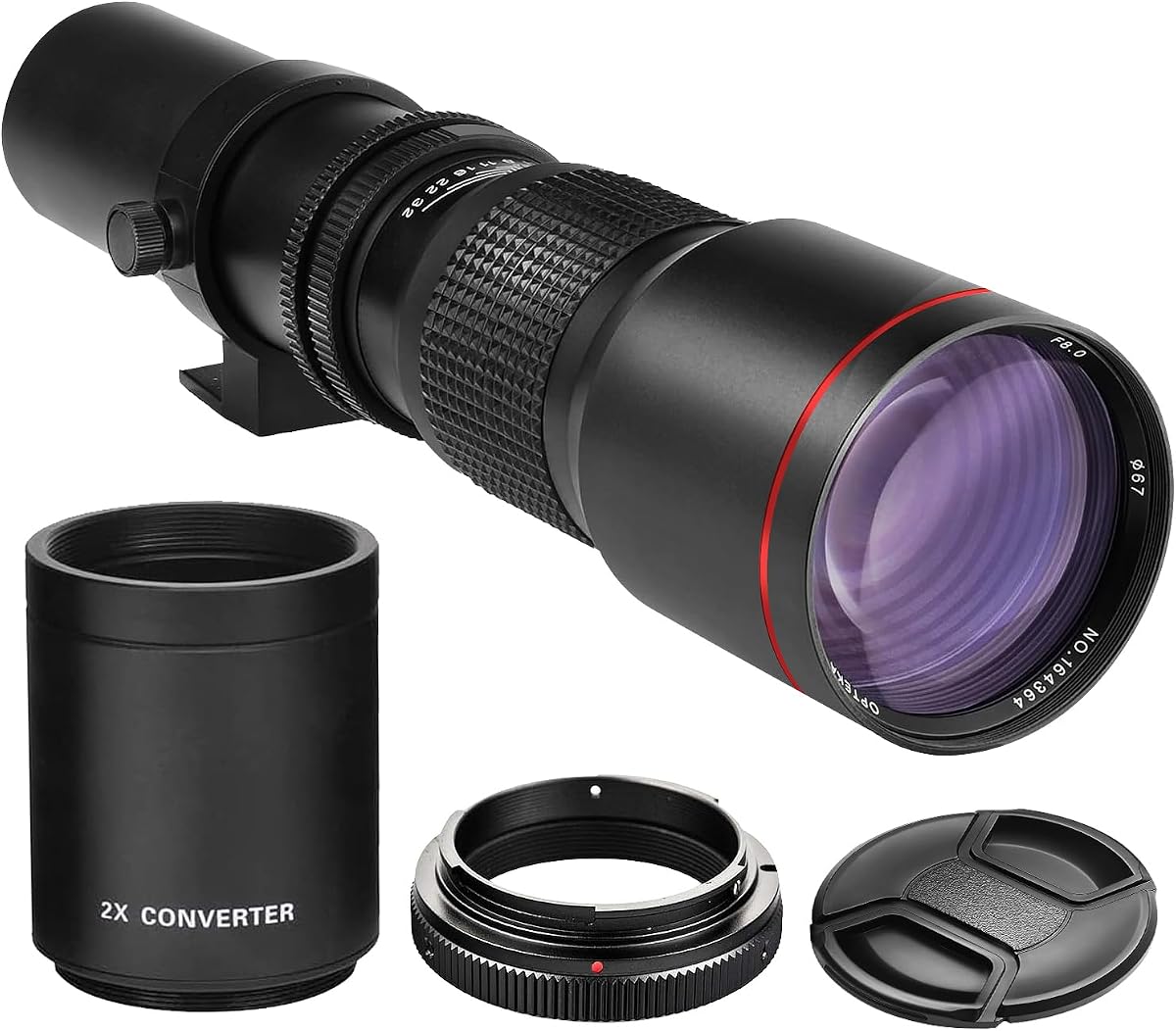
High-Power 500mm/1000mm f/8 Manual Telephoto Lens
4.0Editor score
1000mm with converter
Manual focus and aperture
Compatible with EF-mount
Lightweight and durable build
Explore the top ten camera lens for long distance wildlife options including super-telephoto zooms and manual optics to capture sharp images of animals from
Capturing wildlife from a safe distance requires specialized optics designed to bring far-off subjects into sharp focus. A good lens for long distance wildlife needs powerful magnification, reliable stabilization, and fast autofocus to track moving animals effectively in varying light conditions.
We evaluated ten top-rated telephoto lenses based on optical performance, build quality, and versatility for nature photography. This list covers mirrorless and DSLR options ranging from budget manual primes to professional super-telephoto zooms suitable for birding and safari adventures.
Each pick highlights specific strengths like reach, weight, and image quality to help you find the right tool for your shooting style. Prices and availability change frequently, so verify current listings before purchasing to ensure you get the best value for your investment.
4.0Editor score
4.7Editor score
4.5Editor score
This side-by-side comparison details the key specifications and capabilities of each lens to help you decide which focal range and features best suit your wildlife photography needs.


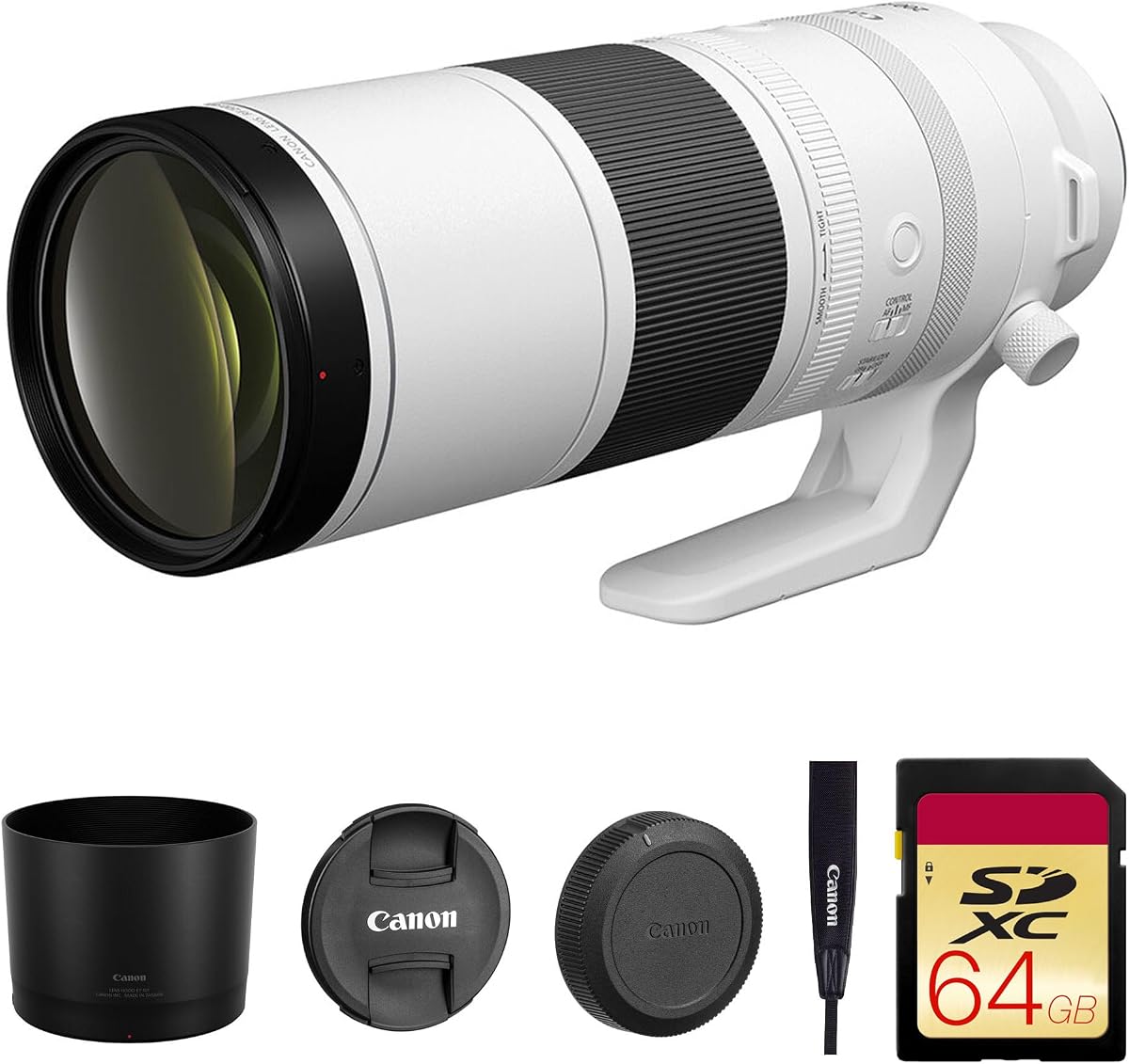
This Canon RF lens stands out as a top choice for wildlife photographers needing extreme reach without excessive weight. With an incredible 800mm focal length, it allows you to capture detailed shots of animals from a safe distance while maintaining sharp image quality.
We may earn a commission when you buy through this link, at no additional cost to you.
The built-in image stabilization ensures shake-free results even when shooting handheld at full zoom, making it ideal for field use. The USM autofocus system delivers fast and quiet focusing, which is crucial for tracking moving subjects like birds in flight or running mammals.
While the variable aperture narrows to f/9 at 800mm, this trade-off is acceptable for the size and reach benefits. The lens is designed to be compact and field-ready, balancing optical performance with portability for outdoor adventures.
Photographers seeking a premium super-telephoto zoom for mirrorless systems will find this lens delivers unmatched flexibility. It is highly recommended for birdwatchers and nature photographers who prioritize reach and mobility in their gear setup.
The range from 200mm to 800mm provides versatile framing for both environmental shots and tight portraits of distant wildlife.
Despite its super-telephoto power, the lens remains surprisingly compact and easy to handle during long hiking or travel sessions.
We may earn a commission when you buy through this link, at no additional cost to you.
This lens represents the world's first autofocus super-telephoto zoom with an 800mm reach, offering groundbreaking capabilities for mirrorless users. It maintains high image quality throughout the zoom range thanks to an optimized optical design that takes full advantage of the RF mount.
We may earn a commission when you buy through this link, at no additional cost to you.
Shooters can extend the lens further with RF extenders at all focal lengths, providing even greater magnification for distant subjects. The compact and lightweight design allows for comfortable handheld shooting, making it a practical choice for active wildlife photography.
The combination of powerful telephoto capabilities and portability makes this lens a strong contender for outdoor sports and nature work. While it is designed specifically for Canon RF cameras, its performance justifies the investment for serious enthusiasts.
For those upgrading to a mirrorless system, this lens delivers exceptional versatility and reach. It is an excellent option for anyone needing a high-performance super-telephoto zoom without the bulk of traditional prime lenses.
This lens sets a new standard with an 800mm telephoto end in a zoom format, delivering unprecedented reach for autofocus shooting.
Compatible with RF1.4x and RF2x extenders across all focal lengths, allowing photographers to push reach beyond 800mm when needed.
We may earn a commission when you buy through this link, at no additional cost to you.
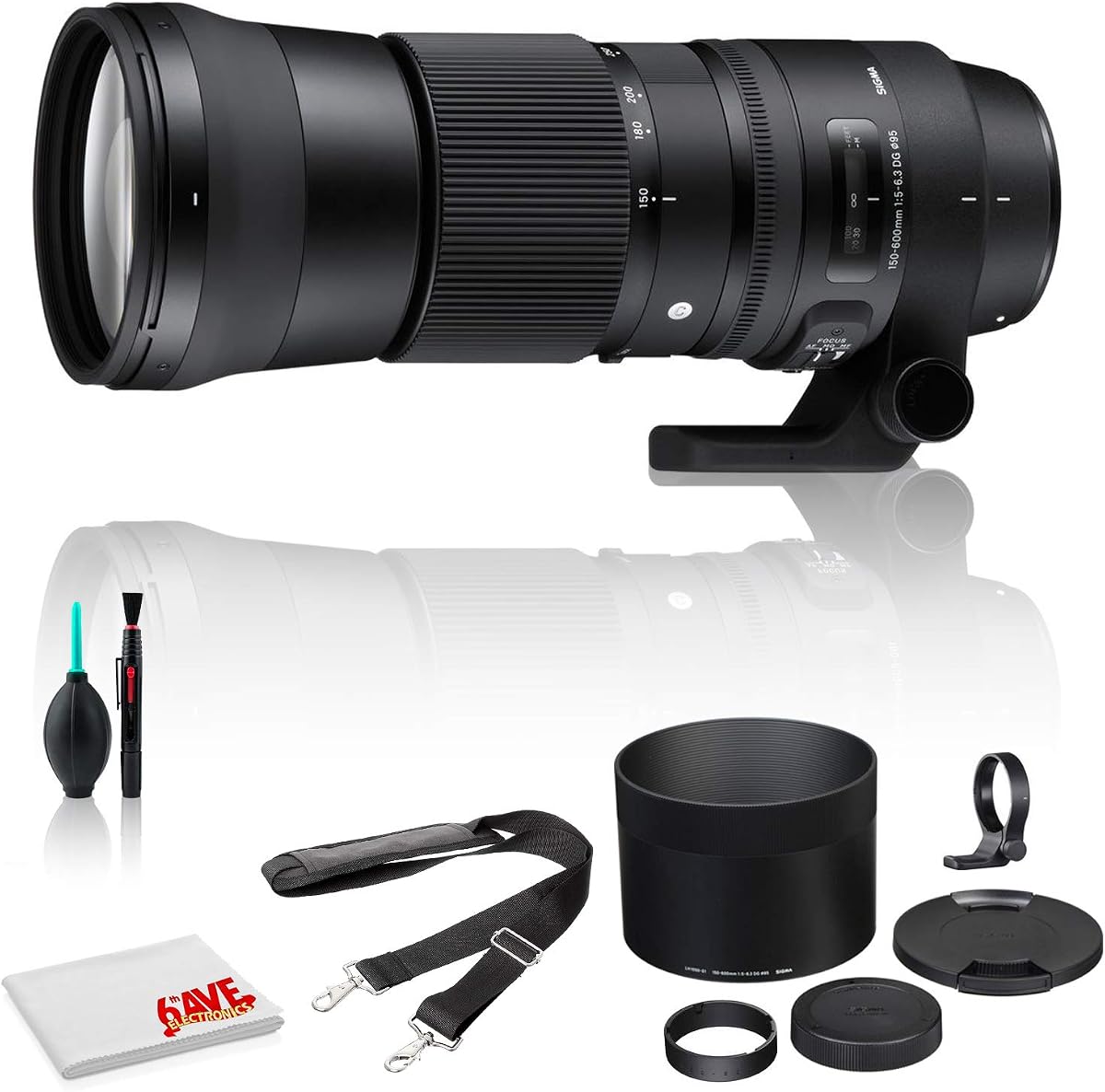
Sigma's 150-600mm Contemporary lens offers professional-grade optics at a competitive price point for EF-mount users. The inclusion of one FLD and three SLD elements minimizes aberrations, ensuring sharp and vibrant images across the zoom range for wildlife and sports.
We may earn a commission when you buy through this link, at no additional cost to you.
The Hyper Sonic Motor autofocus system provides fast and quiet focusing, while the Optical Stabilizer with accelerometer enhances handheld shooting stability. This lens delivers reliable performance for capturing distant subjects with clarity and color accuracy.
While it is heavier than some mirrorless equivalents, the optical quality and build justify the weight for stationary tripod work. The bundle includes a deluxe cleaning kit, adding value for photographers needing to maintain their gear in the field.
This lens is ideal for those invested in the Canon EF system who need extensive reach and high-quality optics. It stands out as a premium choice for serious wildlife photographers seeking sharp results without breaking the bank.
Specialized glass elements like FLD and SLD reduce chromatic aberration, delivering cleaner and more detailed images in challenging light.
The HSM motor and accelerometer-based OS work together to ensure quick focus locks and steady shots even at long focal lengths.
We may earn a commission when you buy through this link, at no additional cost to you.
This manual telephoto lens provides an affordable way to achieve extreme magnification for wildlife photography without investing in premium optics. The 2X teleconverter doubles the power to a groundbreaking 1000mm, allowing you to bring distant subjects significantly closer.
We may earn a commission when you buy through this link, at no additional cost to you.
High index low dispersion optical glass ensures clear and sharp photos every time, while the manual focus system gives you complete creative control. The EF-mount compatibility ensures easy integration with a wide range of Canon DSLR cameras.
While the lack of autofocus limits quick tracking of fast-moving animals, the precise manual control is ideal for static or slow-moving subjects. The durable construction makes it a reliable companion for outdoor adventures where ruggedness is key.
For photographers on a tight budget or those who prefer manual shooting, this lens delivers impressive reach for the price. It is a practical choice for hobbyists wanting to explore telephoto wildlife photography without a high cost.
The 1000mm reach doubles your ability to capture elusive wildlife or distant landscapes with impressive detail and closeness.
Manual focus and aperture allow for full creative expression and fine-tuning of shots in various outdoor conditions.
We may earn a commission when you buy through this link, at no additional cost to you.
The Canon EF 100-400mm L is a professional-grade telephoto zoom designed for wildlife and sports photography. Its advanced optical construction uses fluorite and Super UD elements to minimize aberrations, ensuring sharpness and contrast throughout the focal range.
We may earn a commission when you buy through this link, at no additional cost to you.
Built-in optical image stabilization reduces camera shake by up to two stops, improving handheld performance in low light. The ring-type ultrasonic motor delivers fast and precise autofocus with full-time manual override for better control during action shots.
This lens offers an effective reach up to 640mm with APS-C cameras and includes a rotating tripod collar for stable support. While it is a premium investment, the image quality and reliability make it a favorite among serious photographers.
It is the perfect choice for those needing a versatile zoom lens for distant action and wildlife work. The included filter kit adds value for outdoor shooting conditions where lens protection is essential.
Specialized elements like fluorite and UD glass reduce color fringing and maintain clarity across all focal lengths and distances.
Features like the rotating collar, zoom tension lock, and compatible extenders provide professional flexibility for varied shooting scenarios.
We may earn a commission when you buy through this link, at no additional cost to you.
This versatile manual zoom lens offers an impressive range from 420mm to 1600mm with the included teleconverter, providing extreme reach for distant wildlife. The f/8.3 aperture ensures photos are crisp and clear, highlighting subject matter beautifully when sufficient light is available.
We may earn a commission when you buy through this link, at no additional cost to you.
The EF-mount compatibility allows it to fit a wide variety of Canon DSLR models, from entry-level Rebels to full-frame 5D series cameras. Its manual controls give photographers precise command over framing and focus, which is ideal for planned nature shots.
While autofocus is not available, the high-power telephoto capability makes it a must-have for capturing sports or wildlife from a distance. The lens brings subjects closer than ever, enabling shots that would otherwise require much more expensive equipment.
Photographers looking for budget-friendly super-telephoto reach will appreciate the flexibility of this zoom lens. It is a practical tool for hobbyists and travelers who want to capture distant details without carrying heavy gear.
The 1600mm reach allows photographers to capture subjects from incredible distances, perfect for shy wildlife or far-off landscapes.
With detailed manual control and a specific filter thread, this lens ensures sharp results for photographers who prefer hands-on adjustments.
We may earn a commission when you buy through this link, at no additional cost to you.
This compact and lightweight RF telephoto zoom offers high image quality for EOS R series users seeking a portable option. It features a versatile zoom range of 100-400mm, making it suitable for wildlife and sports when paired with a mirrorless body.
We may earn a commission when you buy through this link, at no additional cost to you.
Optical image stabilization provides up to 5.5 stops of shake correction, improving handheld performance significantly. When combined with cameras that have in-body image stabilization, the total stabilization can reach up to 6 stops for even steadier shots.
The Nano USM autofocus motor ensures smooth, quiet, and fast focusing for moving subjects. It also offers a close minimum focus distance of 2.89 feet at 200mm and a maximum magnification of 0.41x at 400mm for versatile use.
For photographers prioritizing mobility without sacrificing too much reach, this lens is a strong candidate. It balances cost, weight, and performance effectively for travel and outdoor wildlife shooting on a mirrorless system.
With up to 5.5 stops of shake correction, you can shoot handheld at slower shutter speeds while maintaining sharp image quality.
High-speed and quiet autofocus ensures that moving wildlife is captured sharply without disturbing animals with noisy lens motors.
We may earn a commission when you buy through this link, at no additional cost to you.
This budget telephoto zoom provides a 75-300mm range for Canon SLR cameras, making it a simple choice for beginners. Its improved mechanism ensures smoother zooming, and the front zoom ring with a silver accent adds a touch of style to the design.
We may earn a commission when you buy through this link, at no additional cost to you.
Weighing only 16.8 ounces and measuring small, it is easy to carry around without feeling burdensome. It offers a closest focusing distance of 4.9 feet, allowing for decent versatility for subjects beyond just wildlife.
Without image stabilization, handheld shooting at 300mm can be challenging in lower light, so a tripod or stable surface is recommended. However, for daytime wildlife shots or bright conditions, it delivers adequate results for the price point.
Ideal for photographers looking for their first telephoto lens without a large investment. It serves well for casual nature shots and provides a foundation for learning how to shoot at longer focal lengths.
The improved zooming mechanism provides a fluid experience when framing distant subjects, enhancing overall usability during shoots.
Its small size and light weight make it easy to pack for outdoor trips where carrying heavy gear is not practical.
We may earn a commission when you buy through this link, at no additional cost to you.
This Nikon super telephoto zoom is crafted for FX sensors but works well on DX sensors for an equivalent reach of 300-750mm. The three extra-low dispersion elements help reduce color fringing, ensuring clarity and precision across the entire zoom spectrum.
We may earn a commission when you buy through this link, at no additional cost to you.
The Silent Wave Motor ensures rapid and silent autofocus, while the internal focusing design keeps the lens length constant for faster operation. Vibration Reduction provides up to 4.5 stops of stabilization, making handheld shooting at long ranges more achievable.
The dedicated Sport Mode and electromagnetic aperture mechanism enhance performance for fast continuous shooting and exposure control. A rotating tripod collar offers stable support for vertical and horizontal orientations during extended use.
It is an excellent option for Nikon users seeking high reach and reliable performance for wildlife and sports. The bundle includes a filter kit and cleaning tools, offering added convenience for field photographers.
The SWM technology delivers rapid, silent, and accurate autofocus, making it ideal for capturing wildlife without alerting them.
Up to 4.5 stops of stabilization help counteract camera shake, allowing for clearer images even when shooting handheld at high magnification.
We may earn a commission when you buy through this link, at no additional cost to you.
This renewed version of the Canon EF 75-300mm lens offers an affordable entry point for those needing basic telephoto reach. It features the same improved zoom mechanism and silver accent on the front ring, ensuring reliable functionality at a lower cost.
We may earn a commission when you buy through this link, at no additional cost to you.
The DC autofocus motor provides smooth focus adjustments, and the lens maintains a compact size weighing only 16.8 ounces. With a 58mm filter thread, it allows for easy attachment of protective or creative filters when needed.
While it lacks image stabilization, its performance in well-lit conditions makes it a practical choice for casual wildlife photography. The renewed status offers savings while ensuring the lens meets operational standards for typical use.
For photographers on a strict budget, this lens provides a functional way to explore longer focal lengths. It is ideal for those who want to test their interest in telephoto shooting before investing in more advanced gear.
Choosing a renewed product allows you to access proven performance at a lower price, making it accessible for budget-conscious shooters.
The zoom ring mechanism is designed to operate smoothly, providing precise control when adjusting framing during wildlife photography.
We may earn a commission when you buy through this link, at no additional cost to you.
Selecting the right lens involves balancing reach, aperture, stabilization, and mount compatibility to match your specific wildlife photography goals.
Focal length determines how close distant subjects appear. For wildlife, longer focal lengths like 400mm or 600mm are essential to frame animals tightly without disturbing them. Super-telephoto lenses offer the best balance of reach and flexibility.
Prioritize lenses with at least 300mm reach and extendability to 600mm or more for serious wildlife photography.
Image stabilization minimizes camera shake, which is critical when shooting handheld at long focal lengths. Look for optical stabilization (IS/VR/OSS) that offers multiple stops of correction to ensure sharp images in varying conditions.
Effective stabilization improves sharpness and allows handheld shooting in low light where tripods are impractical.
Fast and silent autofocus motors like USM or HSM are vital for tracking moving animals. A responsive AF system ensures you capture decisive moments without missing focus during rapid action sequences.
Choose lenses with dedicated silent motors for reliable focus acquisition in wildlife environments.
Aperture controls light intake and depth of field. Larger apertures (lower f-numbers) perform better in dawn and dusk conditions common in wildlife shooting. Fixed apertures provide consistency across the zoom range.
A wider maximum aperture improves low-light capabilities and subject isolation through background blur.
Ensure the lens matches your camera system. DSLR mounts like EF are widely available, while mirrorless RF and Z mounts offer newer optical designs. Consider compatibility with existing bodies and future upgrades.
Match the lens mount to your camera to ensure full functionality and autofocus support.
Telephoto lenses can be heavy, affecting portability during hikes. Lightweight designs or compact super-telephoto zooms make long field sessions more comfortable and manageable for outdoor photographers.
Balance reach with weight to ensure the lens can be carried comfortably in the field.
Outdoor shooting exposes gear to harsh conditions. Weather-sealed bodies and robust construction protect against dust and moisture, extending the lens life during wildlife adventures in remote areas.
Invest in lenses with durable builds to withstand the rigors of outdoor wildlife photography.
Price varies significantly with optical quality and features. Budget manual lenses offer extreme reach affordably, while professional optics deliver better image quality and autofocus. Consider your needs before spending.
Evaluate features versus cost to find the lens offering the best value for your skill level and goals.
Always use a tripod or monopod when possible to stabilize the lens at long focal lengths and prevent motion blur. This allows for sharper results and reduces hand strain during extended wildlife observation sessions.
Practice patience and use continuous autofocus mode when tracking moving animals. Adjust your camera settings to match lighting conditions to ensure proper exposure and focus capture in dynamic environments.
Clean the lens regularly with a microfiber cloth and proper lens pen to remove dust and fingerprints. Store the lens in a dry and secure case to protect it from moisture and impacts during transport.
For distant wildlife, a focal length of at least 300mm is recommended, with 400mm to 600mm being ideal for detailed shots. This range allows you to frame subjects tightly without approaching them and potentially disturbing their natural behavior.
Yes, telephoto lenses are versatile and can be used for sports, portraits, and aviation photography. Their long reach and background separation capabilities make them suitable for various subjects requiring distant focus and clear subject isolation.
A tripod is highly recommended for stability, especially at focal lengths over 400mm. While image stabilization helps with handheld shooting, a tripod ensures maximum sharpness and allows for precise framing in static wildlife scenes.
Use live view mode to magnify the subject on your screen and adjust focus carefully using the lens ring. Manual focus works best when the subject is stationary and you need precise control over sharpness and framing details.
Manual lenses offer extreme reach at low costs but require steady hands and time. They are suitable for static wildlife or budget-conscious photographers who do not need quick autofocus performance for moving subjects.
Many mirrorless systems allow using DSLR lenses via adapters, though autofocus performance may vary. Check specific compatibility lists for your camera body to ensure full functionality and optimal performance with older lens mounts.
The Canon RF 200-800mm, Sigma 150-600mm, and High-Power 500mm offer distinct advantages depending on your budget and camera system. Each provides unique strengths in reach, stability, and image quality for capturing wildlife effectively.
Prioritize image stabilization and autofocus performance if you often shoot moving subjects handheld. For static scenes or budget constraints, manual options with extreme focal lengths remain viable alternatives for serious nature photography.
Verify current pricing and availability before purchasing to ensure you get the best deal. Consider future upgrades or system compatibility to make sure your lens choice remains useful as your photography skills and equipment evolve.