
Geevon Refrigerator Thermometer 2 Pack IP65 Waterproof
4.5Editor score
Waterproof IP65
Magnetic back
Large LCD screen
Keeping your freezer at the correct temperature is vital for food safety and appliance longevity. External thermostats provide precise control that built-in dials often lack. They ensure consistent cooling and prevent costly spoilage or compressor damage over time.
We evaluated ten reliable models based on accuracy, ease of use, and durability. Our team analyzed specifications, user feedback, and real-world performance data. This list covers digital controllers, wireless monitors, and analog options for every need.
Each pick highlights key features, pros, and cons to help you choose wisely. Note that product availability and pricing can change frequently. Always verify current details on the retailer site before making your final purchase decision.
4.5Editor score

4.6Editor score

4.8Editor score
As an Amazon Associate we earn from qualifying purchases.
This side-by-side comparison shows key specs for all ten models. Use it to quickly identify which device fits your freezer size and monitoring needs best.
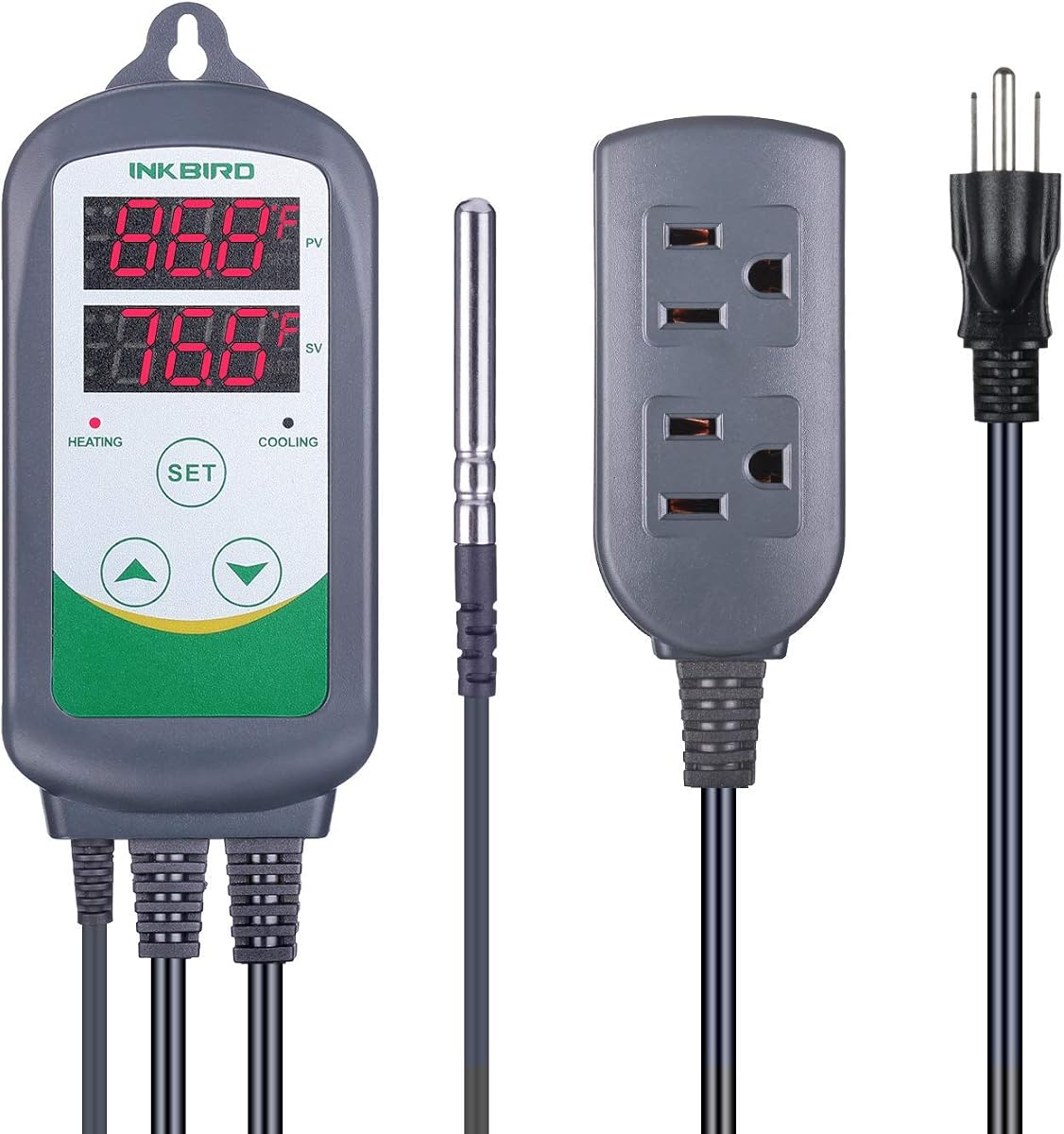


The Inkbird ITC-308 stands out as the top choice for precise freezer temperature management. With a solid 4.6 rating from users, it delivers consistent performance across various applications. Its dual relay system allows independent control of heating and cooling devices, making it highly versatile.
We may earn a commission when you buy through this link, at no additional cost to you.
Key strengths include its intuitive dual display that shows both current and set temperatures simultaneously. The built-in buzzer alarm alerts you to high or low temperature deviations immediately. This feature is critical for preventing food spoilage in freezers during power fluctuations or door leaks.
While the probe cord length is standard, some users may prefer a longer reach for larger units. The lack of smart app connectivity limits remote monitoring options. However, for local control and reliability, these trade-offs are minimal compared to the price point.
This controller is ideal for home brewers, freezer owners, and hobbyists needing accurate thermal regulation. It protects equipment with a customizable compressor delay, extending appliance life. We recommend it as the best overall solution for reliable external temperature control.
The dual relay design ensures your freezer compressor and heater can run independently based on temperature needs without conflict.
Customizable delay settings prevent frequent cycling that wears out expensive cooling equipment over time significantly.
We may earn a commission when you buy through this link, at no additional cost to you.
The Geevon 2-Pack thermometer offers an affordable way to monitor freezer conditions without complex controls. It holds a strong 4.5 rating thanks to its waterproof design and clear readings. This pack is perfect for checking multiple zones or keeping a spare unit handy.
We may earn a commission when you buy through this link, at no additional cost to you.
Its IP65 waterproof rating means it withstands humidity and splashes inside wet environments like freezers or fridges. The magnetic back allows instant placement on metal surfaces. Switching between Celsius and Fahrenheit is simple with the toggle button on the front face.
The device does not sound an alarm if temperatures drift out of range. Accuracy sits at ±2℉, which is sufficient for general monitoring but less precise than controllers. For the price, these limitations are acceptable for users prioritizing cost over advanced safety alerts.
This is the best budget pick for anyone needing a quick visual check of freezer temps. It suits home kitchens and small commercial setups where constant monitoring is needed. We recommend buying the two-pack for redundancy and easy installation.
The IP65 rating ensures reliable operation even in damp freezer environments where moisture could damage lesser models.
Magnetic back and stand provide versatile placement choices for maximum visibility inside any appliance setting.
We may earn a commission when you buy through this link, at no additional cost to you.
The Refrigerator Temperature Controller earns the highest rating of 4.8 for its commercial-grade reliability and safety certifications. It supports a wide voltage range making it suitable for global use. This model focuses on stable cooling performance for critical freezer applications.
We may earn a commission when you buy through this link, at no additional cost to you.
Its precision control ensures your freezer maintains the exact temperature you set. The UL and cUL certifications give confidence in electrical safety. The 20A relay output handles heavy loads efficiently, which is crucial for larger freezer units or commercial systems.
This device lacks smart notifications or app control features found in newer models. The price reflects its robust build and safety standards rather than convenience tech. For users prioritizing equipment safety and stability over remote access, this trade-off is reasonable.
It is the best premium choice for businesses or serious hobbyists needing dependable temperature control. The energy saving design helps reduce power costs over time. We recommend it for anyone seeking a durable, certified thermostat for long-term use.
Supporting 100 to 240 volts allows use anywhere without needing special transformers or adapters for power.
UL and cUL marks indicate the device meets rigorous safety standards for electrical components and operation.
We may earn a commission when you buy through this link, at no additional cost to you.
The Inkbird ITC308 Freezer Thermostat is designed for simple plug and play operation with dual outlet control. It holds a 4.6 rating due to its reliability and ease of calibration for various heating and cooling setups. Users appreciate the straightforward interface.
We may earn a commission when you buy through this link, at no additional cost to you.
Its ability to connect both refrigeration and heating equipment simultaneously makes it highly versatile. This is useful for units that require both warming cycles for defrosting and cooling cycles. The Celsius and Fahrenheit display toggle ensures accessibility for all users.
The sensor calibration is easy to adjust for minor temperature variances. However, the sensor cord length may require extension for some applications. While it lacks modern smart alerts, its mechanical simplicity ensures consistent performance in demanding environments.
This unit is perfect for homebrewing, greenhouses, and freezer temperature projects. It delivers accurate control without unnecessary complexity. We recommend it for anyone needing a straightforward dual-function controller for diverse temperature management tasks.
It powers both heating and cooling equipment simultaneously to maintain stable temperatures for complex needs.
Adjusting sensor readings is simple to ensure the device matches your exact temperature requirements accurately.
We may earn a commission when you buy through this link, at no additional cost to you.
This Digital Temperature Controller provides a straightforward solution for temperature regulation in freezers and homebrew setups. Its 4.2 rating reflects reliable performance with a waterproof silicone sensor. The large LCD screen makes it easy to read and program settings.
We may earn a commission when you buy through this link, at no additional cost to you.
It supports both heating and cooling modes with a 1100W output capacity. The ergonomic design fits well in typical environments. A one-year warranty adds value and peace of mind for new buyers exploring temperature control options.
While functional, it lacks advanced features like smart alerts found in higher-end models. The interface is simple which may limit customization for some users. However, for standard freezer monitoring and small brewing projects, it delivers consistent results at a fair price.
We recommend this for beginners needing an affordable dual-mode controller. It suits chest freezers and fermenters where basic stability is the goal. Check the warranty terms for local support details before purchase.
The silicone sensor is waterproof so it can withstand humid conditions inside your freezer or tank reliably.
A one year warranty provides assurance of quality and support for your initial purchase period.
We may earn a commission when you buy through this link, at no additional cost to you.
The HATUSOKU Digital Thermometer features an external sensor and magnet for convenient placement inside freezers. It has a 4.3 rating for its compact body and large LCD numbers. The design allows easy mounting on metal surfaces with the included suction cup.
We may earn a commission when you buy through this link, at no additional cost to you.
It supports a wide temperature range from -40℉ to 158℉ with decent accuracy. The external sensor lets you measure remote spots while keeping the display outside. This is ideal for checking internal freezer temps without opening the door frequently.
The main body is not water resistant so avoid submerging it in liquids. It runs on batteries so you must replace them periodically. Despite these limits, it offers a cost-effective way to monitor freezer temperatures visually without complex electronics.
This unit is best for users needing a simple visual reference. It suits home freezers and aquariums where remote sensing helps. We suggest keeping spare batteries handy for uninterrupted monitoring.
A long sensor cord lets you measure deep inside the freezer while the display remains easy to see.
The magnet on the back sticks firmly to any metal surface for stable positioning during use.
We may earn a commission when you buy through this link, at no additional cost to you.
This 4-pack of analog thermometers offers a simple way to monitor freezer temperatures without electronics. Each unit has a large dial and stainless steel finish. With a 4.6 rating, it is praised for ease of reading and durability in cold conditions.
We may earn a commission when you buy through this link, at no additional cost to you.
The wide base and hook allow versatile placement on shelves or hooks inside the freezer. Being analog it works indefinitely without batteries. This reliability is useful for long-term monitoring where power sources are limited or unavailable inside.
Digital models offer greater accuracy but these analog units provide a clear visual trend. They may need periodic calibration for precise control. For general monitoring of food safety and temperature stability, they are a solid cost-effective solution.
We recommend these for freezers where battery changes are inconvenient. The four-pack ensures coverage for multiple locations. Check calibration regularly if precise temperature control is your primary goal.
Analog dials function without any power source eliminating the need for frequent battery replacement.
Stainless steel materials resist corrosion from humidity and moisture inside cold storage environments.
We may earn a commission when you buy through this link, at no additional cost to you.
The GoveeLife WiFi Refrigerator Thermometer offers remote monitoring via app notifications and email alerts. It has a 4.4 rating for its precise sensor and audible alarm system. This setup is perfect for users needing real-time temperature data from anywhere.
We may earn a commission when you buy through this link, at no additional cost to you.
Its gateway supports up to ten sensors across a large range. This scalability allows whole-home temperature management for multiple freezers. The magnetic design ensures clean cable management and easy placement in tight spaces.
The alarm requires a physical button press to silence which ensures you acknowledge issues. If internet fails, local monitoring may be limited compared to standalone devices. However the convenience of remote access outweighs these limits for tech-savvy users.
We recommend this for families needing constant freezer protection. The alerts prevent spoilage due to door left open or power outages. Check network requirements before purchasing to ensure stable connectivity.
Connect to WiFi to receive instant smartphone notifications when temperatures change unexpectedly.
The gateway supports ten sensors enabling centralized monitoring of several appliances or rooms.
We may earn a commission when you buy through this link, at no additional cost to you.
This Wireless Fridge Freezer Thermometer boasts a 330ft monitoring range for flexible sensor placement. It features humidity tracking and customizable alerts. With a 4.2 rating, it suits users needing visibility without placing the main unit inside the freezer.
We may earn a commission when you buy through this link, at no additional cost to you.
The sensor transmits data every 30 seconds. The backlight allows easy night viewing. USB power ensures consistent operation though battery backup is an option for display units. This dual power approach reduces reliance on disposable cells.
Complex settings may confuse beginners but the humidity data adds value beyond temperature. Signal stability depends on distance and obstacles. For large homes or commercial spaces this range is essential for comprehensive monitoring.
We recommend this for scenarios needing remote monitoring. The alerts protect property from temperature spikes. Ensure the path between sensor and display is clear for best performance.
With 330 feet of range you can place sensors anywhere without needing a wired connection.
Tracking humidity levels helps prevent condensation issues inside freezer or fridge environments.
We may earn a commission when you buy through this link, at no additional cost to you.
The AcuRite Digital Wireless Fridge and Freezer Thermometer tracks max and min temperatures to identify trends. It has a 4.5 rating for its reliable wireless transmission and stainless steel finish. The alarm system alerts you to temperature spikes from door left open.
We may earn a commission when you buy through this link, at no additional cost to you.
Its display has magnetic and stand mounting options for flexibility. You can view readings for both fridge and freezer simultaneously. The silicone sensor straps wrap easily around wires for secure attachment inside units.
The max/min feature is crucial for diagnosing intermittent issues or door leaks. Battery life on sensors varies with usage but replacements are simple. For home and restaurant settings, this unit balances features with affordability.
We recommend it for tracking temperature stability over time. The wireless design keeps cables safe. Verify sensor battery status regularly to maintain accurate logging.
Recording peak and lowest temperatures helps identify intermittent problems in your freezer performance.
Magnetic, wall, and stand mounting options let you place the display where it is easiest to see.
We may earn a commission when you buy through this link, at no additional cost to you.
Selecting the right external thermostat requires understanding key factors that affect accuracy reliability and compatibility with your equipment.
Accuracy determines how close your freezer runs to the set point. Digital controllers typically offer ±1°F while analog dials may vary more. For frozen food safety aim for at least ±2°F to avoid thaw cycles.
Look for devices with calibrated sensors that match industry standards for temperature monitoring in refrigeration units.
Check the maximum wattage the relay can handle. Freezers often draw significant power during compressor startup. A unit rated below 1000W may fail to power a standard 120V compressor.
Choose a thermostat with at least 1100W output to ensure safe and reliable operation without overheating internal components.
Sensors come in waterproof probe or wireless types. Probes measure internal temps directly. Wireless sensors allow remote monitoring but need batteries. Cord length should reach the coldest spot in your freezer for accurate readings.
Ensure the sensor cord or wireless range fits your setup. Longer cords reduce signal loss and provide accurate placement options.
Audible alarms alert you to temperature spikes immediately. Smart models send app or email notifications. For valuable food or commercial use alarms are critical for spoilage prevention and equipment protection.
Prioritize models with both local buzzers and remote alerts. Verify alarm sensitivity settings to avoid false triggers during normal cycles.
Freezers create cold and humid conditions that can damage electronics. Look for waterproof IP65 ratings or robust casing. Stainless steel or high-grade plastics resist condensation and frost better than cheap plastic housings.
Ensure the device is rated for low-temperature operation to maintain accuracy and prevent failure in freezing environments.
Plug-and-play models simplify installation. Digital displays should clearly show set and actual temperatures. Toggle buttons for Fahrenheit and Celsius are essential for different regions. Avoid overly complex menus for basic monitoring.
Test interface simplicity by checking if common settings like alarm limits are easy to adjust without technical manuals.
WiFi-enabled models allow remote monitoring via apps. This is useful for unattended freezers. However, smart features depend on stable internet. Traditional controllers work without internet but lack remote access.
Decide if you need mobile alerts before purchasing. Smart models cost more and may need gateway hubs for full functionality.
A one-year warranty covers manufacturing defects. Longer warranties signal manufacturer confidence. Check customer reviews for support responsiveness. Reputable brands offer replacement parts like probes or batteries if needed.
Always register the device after purchase. Keep receipts handy to streamline claims if the unit fails early.
Place the sensor probe inside the freezer in the coldest section away from the door or vent. Ensure it does not touch ice directly or rest on the floor where it may get wet. For wireless units place the display outside the freezer where you can see it clearly.
Plug the controller into a standard outlet. Connect your freezer or cooling equipment to the controller outlet. Set the desired temperature range and alarm limits using the interface. Allow the unit to run for 24 hours before trusting the readings fully.
Clean the sensor probe and display regularly with a dry cloth to remove frost or condensation. Check battery levels for wireless or display units every six months. Ensure wiring is secure and insulated to avoid shorts or damage.
Most controllers work with standard 110V household freezers. Verify the wattage rating of your unit matches the controller's maximum output. For commercial or specialized freezers consult an electrician to ensure compatibility with high-voltage systems.
Wireless sensors typically maintain accuracy within ±2°F under stable conditions. Signal interference or low battery can reduce reliability. For high-precision needs use wired probes placed directly in the coldest part of the freezer.
The compressor delay prevents rapid cycling which damages cooling equipment. It adds a time buffer before restarting after a temperature cycle. This protects your freezer from overwork and extends the appliance lifespan significantly.
Yes simple digital thermometers allow monitoring without alarms. They are cheaper but offer no safety alerts. For valuable items or large batches alarms are recommended to prevent spoilage during unexpected temperature spikes.
Most wireless units use standard AAA batteries for the display. Sensors may use CR2032 cells. Check the manufacturer guide for exact battery models. Replacing batteries promptly prevents data gaps and ensures consistent monitoring.
WiFi models are not necessary if you check manually daily. They are worth the cost if you need remote access for travel or large facilities. Standard controllers work reliably without internet dependency.
Calibration adjusts the sensor to match a reference thermometer. Most units have a settings menu to offset readings by a few degrees. Verify accuracy by comparing readings with a trusted thermometer before finalizing settings.
Place the display outside the freezer on a visible surface. Use magnetic backs or stands for secure mounting. Ensure it is not exposed to direct sunlight or heat sources which may skew readings.
This guide highlights ten reliable models offering features from analog simplicity to smart alerts. Top picks like the Inkbird ITC-308 and premium controllers deliver precise control for home and commercial use.
Prioritize safety and compatibility by checking wattage and voltage requirements first. Choose smart models only if remote monitoring fits your needs. Simple digital controllers work well for standard monitoring tasks.
Always verify current pricing and availability on retailer sites before purchasing. Prices change frequently and models may update. Review warranty details and return policies to ensure a smooth buying experience.